Publication date
4 march 2026


A study conducted at the University of Aveiro concludes that cities with more compact growth patterns demonstrate better environmental performance and greater sustainability when compared to dispersed urban models. The research, applied to the Aveiro region, shows that scenarios with higher urban concentration reduce emissions associated with road traffic, shorten travel distances, and contribute to improved air quality.
The study is based on an urban sustainability eco‑indicator designed to integrate, into a single value, factors such as trip generation, road‑traffic emissions, meteorological modelling, and impacts on air quality. The use of this indicator made it possible to compare different urban scenarios and highlight the clear advantages of the “Independent City” model when compared with the “Dispersed City” scenario, which presented the poorest overall performance.
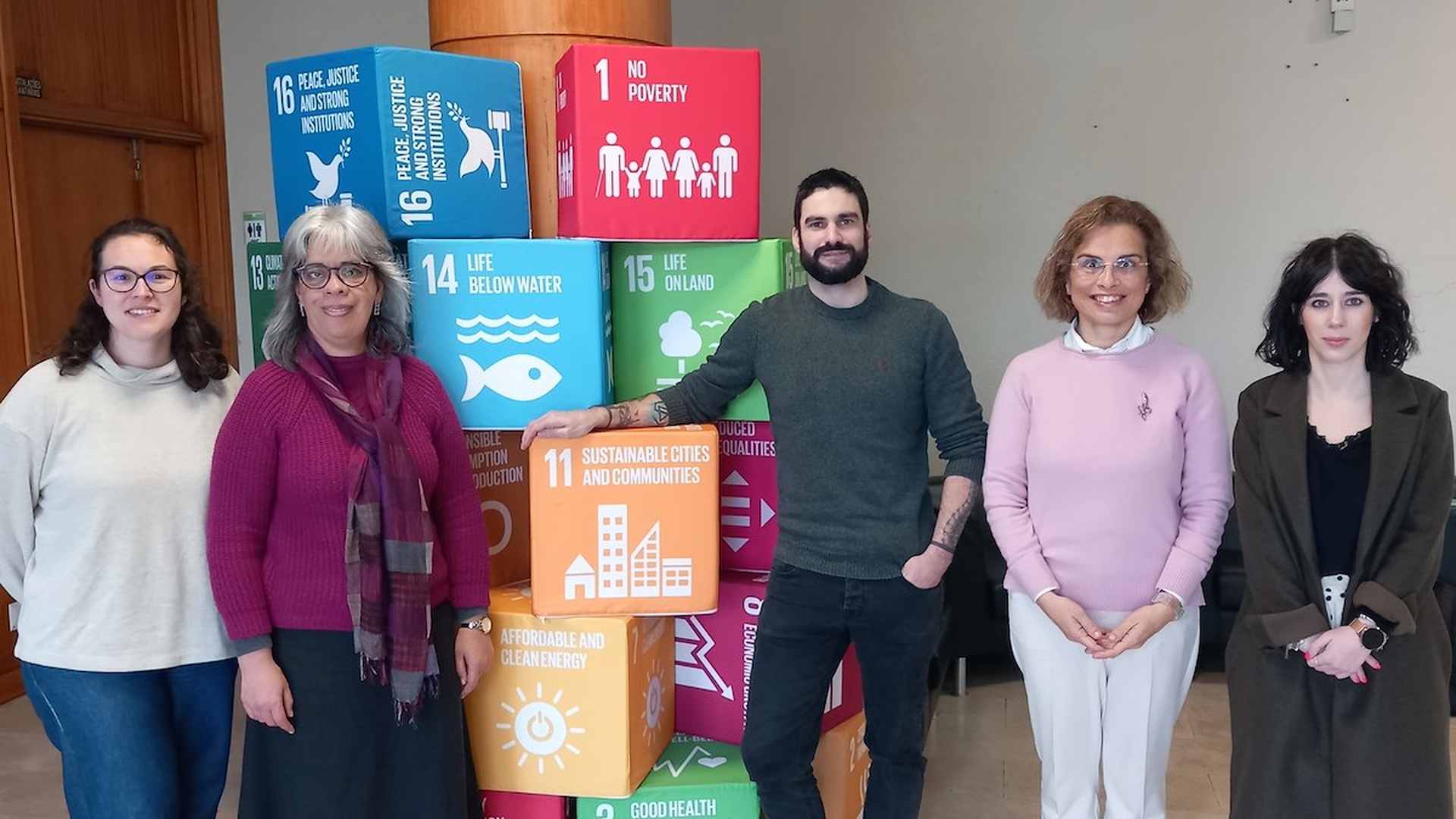
The research team includes Bruno Augusto, Ana Filipa Ascenso, and Joana Ferreira, from the Centre for Environmental and Marine Studies (CESAM) and the Department of Environment and Planning of the University of Aveiro; Margarida Coelho, from the Centre for Mechanical Technology and Automation (TEMA) and the same department; and Sandra Rafael, from the Institute of Environment and Development (IDAD).
The Study aims to support policy‑makers and entities responsible for urban planning, contributing to the development of more balanced, resilient, and healthy cities.
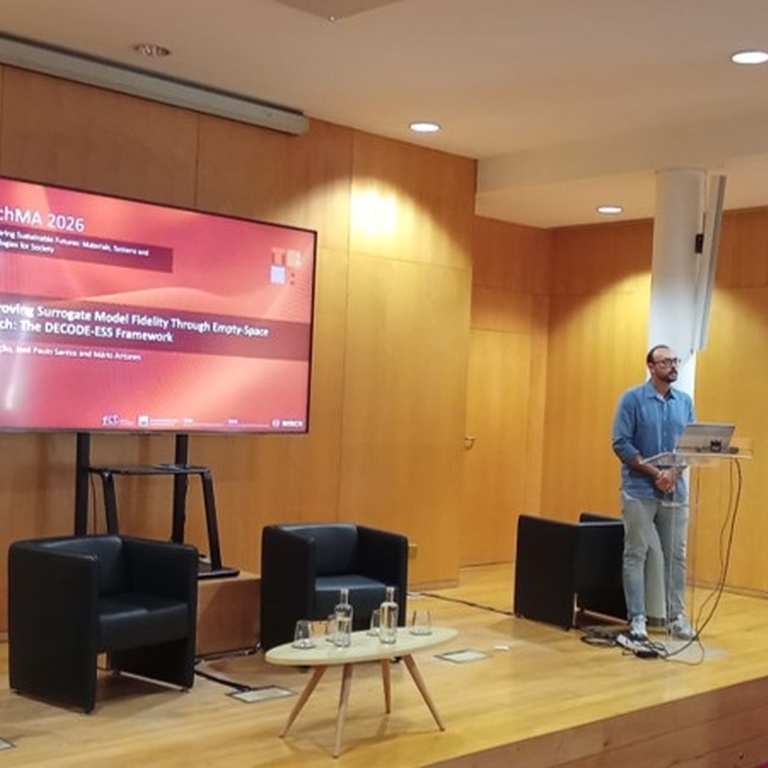
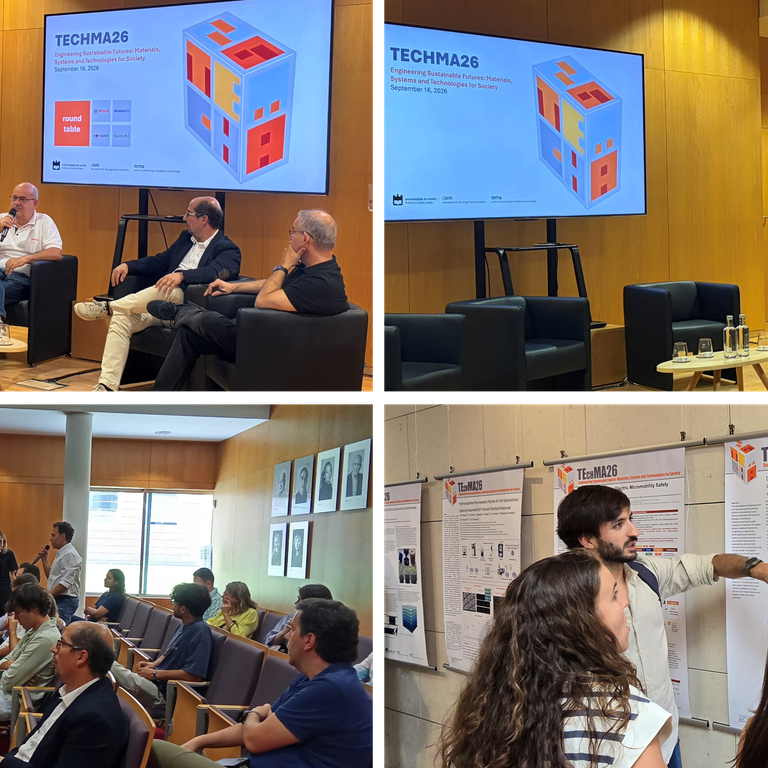
TEchMA 2026 Brought Together More Than 100 Participants to Discuss Engineering, Innovation and Sustainability

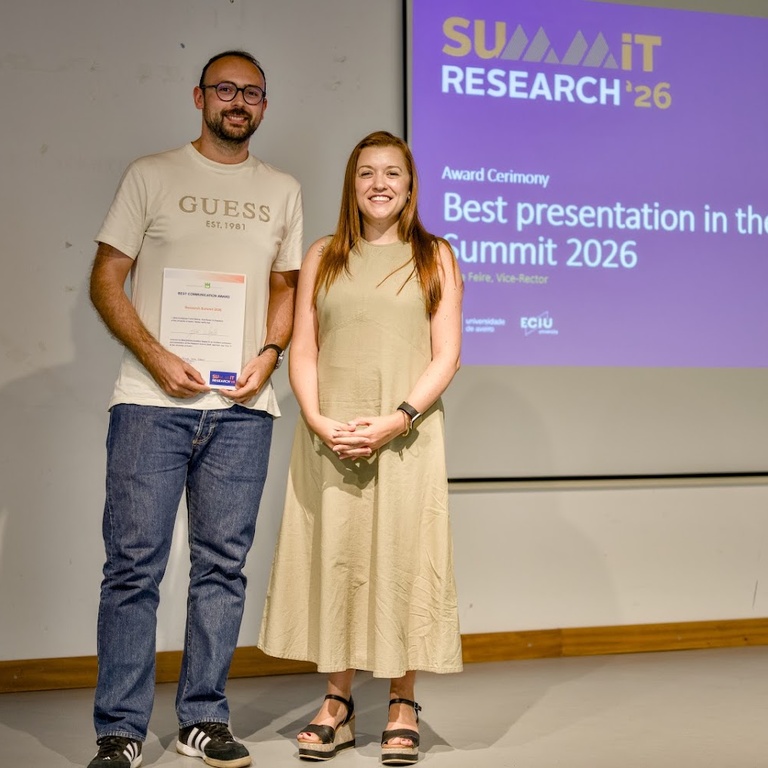
TEMA secures €1.46 million for new state-of-the-art scientific infrastructures
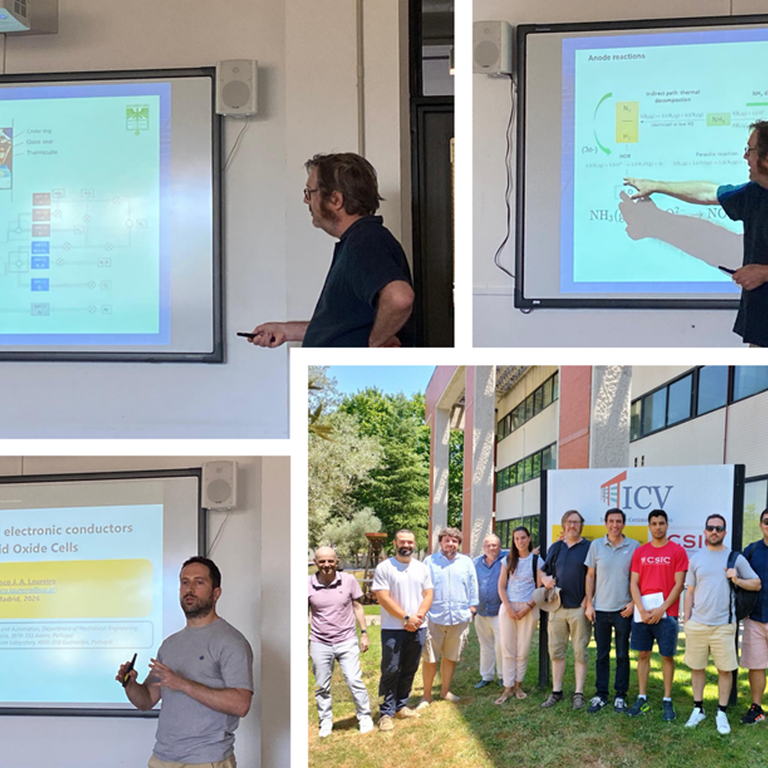
TEMA Strengthens International Collaboration with ICV-CSIC through the I-LINK25007 Project
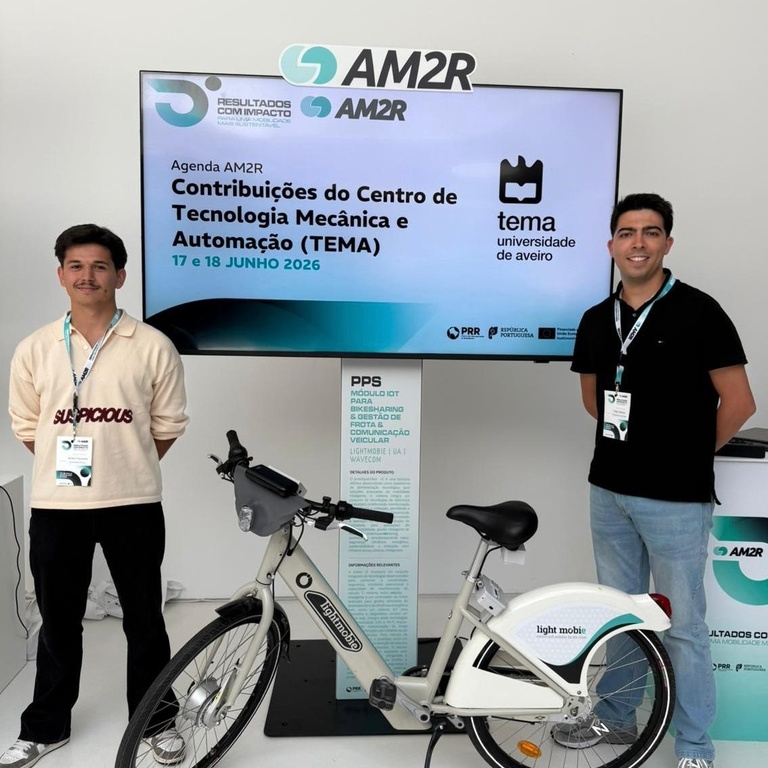
TEMA researchers participate in the final event of the AM2R Mobilizing Agenda and present a smart bicycle prototype
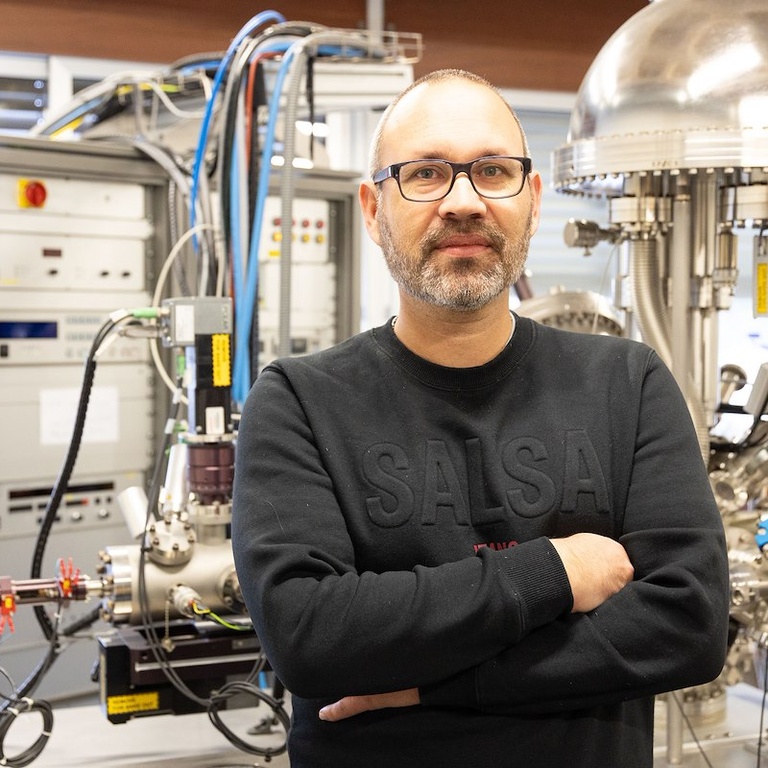
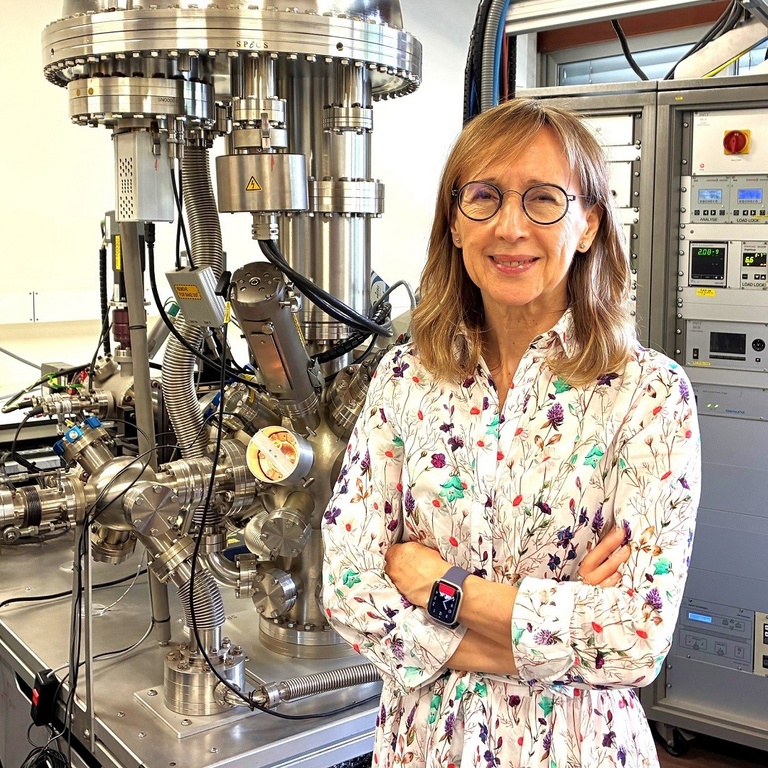
Professor Paulo Davim ranked first in Portugal in Mechanical and Aerospace Engineering in 2026
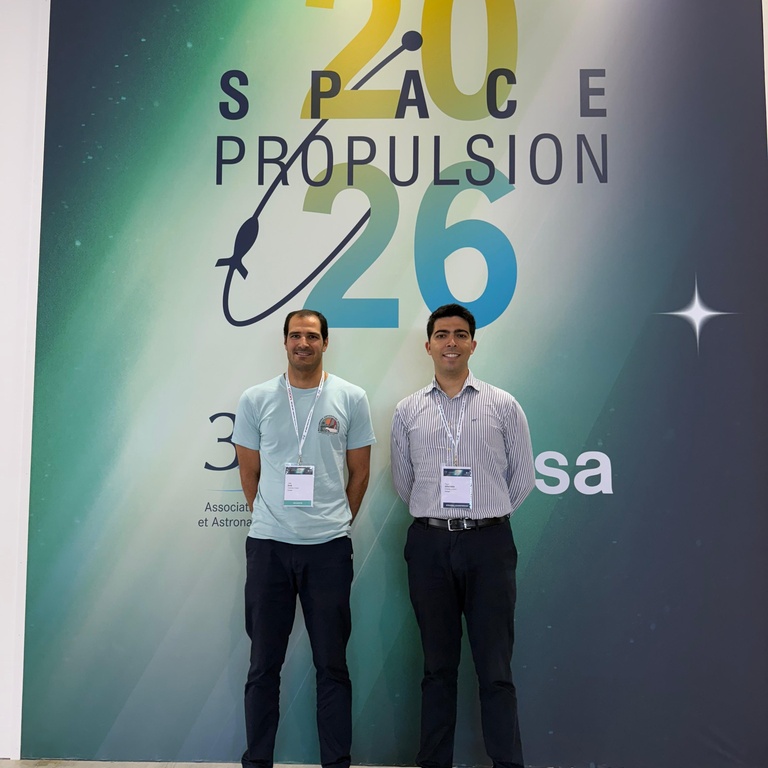
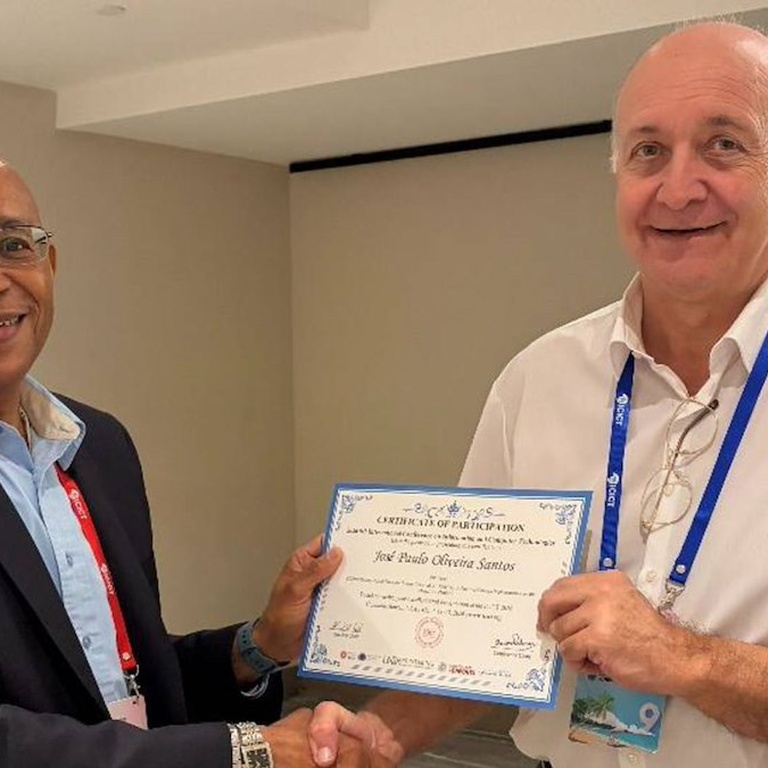
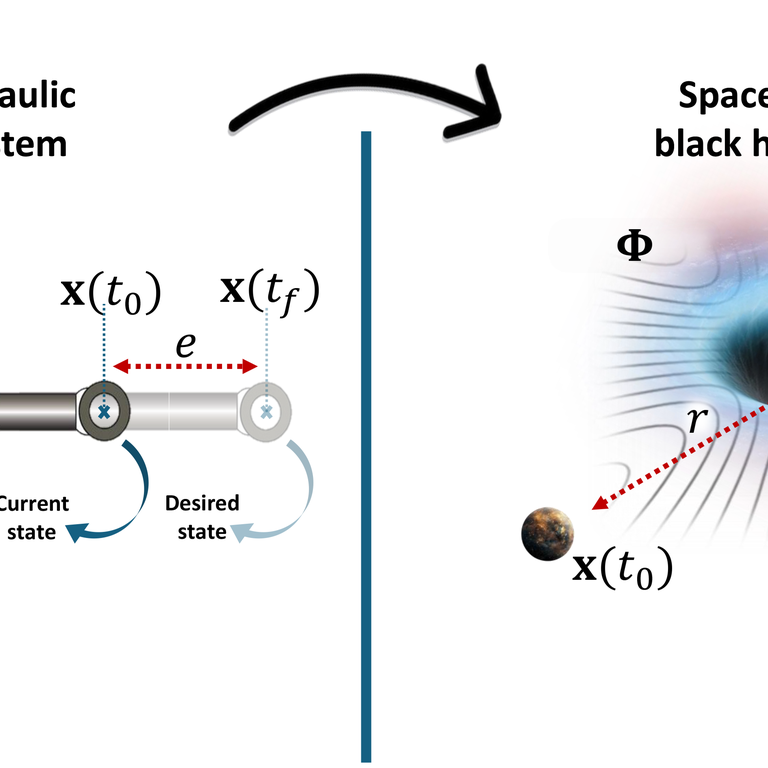
Paper published on black hole–inspired control
Easter 2026 Science Internships at TEMA


Project led by a TEMA researcher, Gil Gonçalves, develops innovative nanocapsules to revolutionize cancer therapies


Prof. João Paulo Davim has been awarded the highest professional distinction granted by the Portuguese Institution of Engineers

Recognised excellence: LEM renews its ISO 9001 certification for another 3 years

SLIC brought together experts and researchers in sustainable lighting at the University of Aveiro

UA researcher ranked as Portugal’s No. 1 in Mechanical and Aerospace Engineering

TEMA Achieves Top National Ranking with "Excellent" FCT Evaluation

In vitro 3D electrical stimulation technology: patent application in Europe and the USA

Efficient Water Supply & Wastewater Systems Forum

UAveiro researcher represents Europe in the Research in Engineering Education Network

UA researchers develop a more comfortable and efficient bicycle system


