Publication date
27 march 2026


The Institute of Education and Citizenship (IEC), in partnership with the Associação IEC-ALUMNI Association, held another edition of the Science Internships, aimed at upper-secondary school students, which took place during the Easter holidays at the Universities of Aveiro and Coimbra.
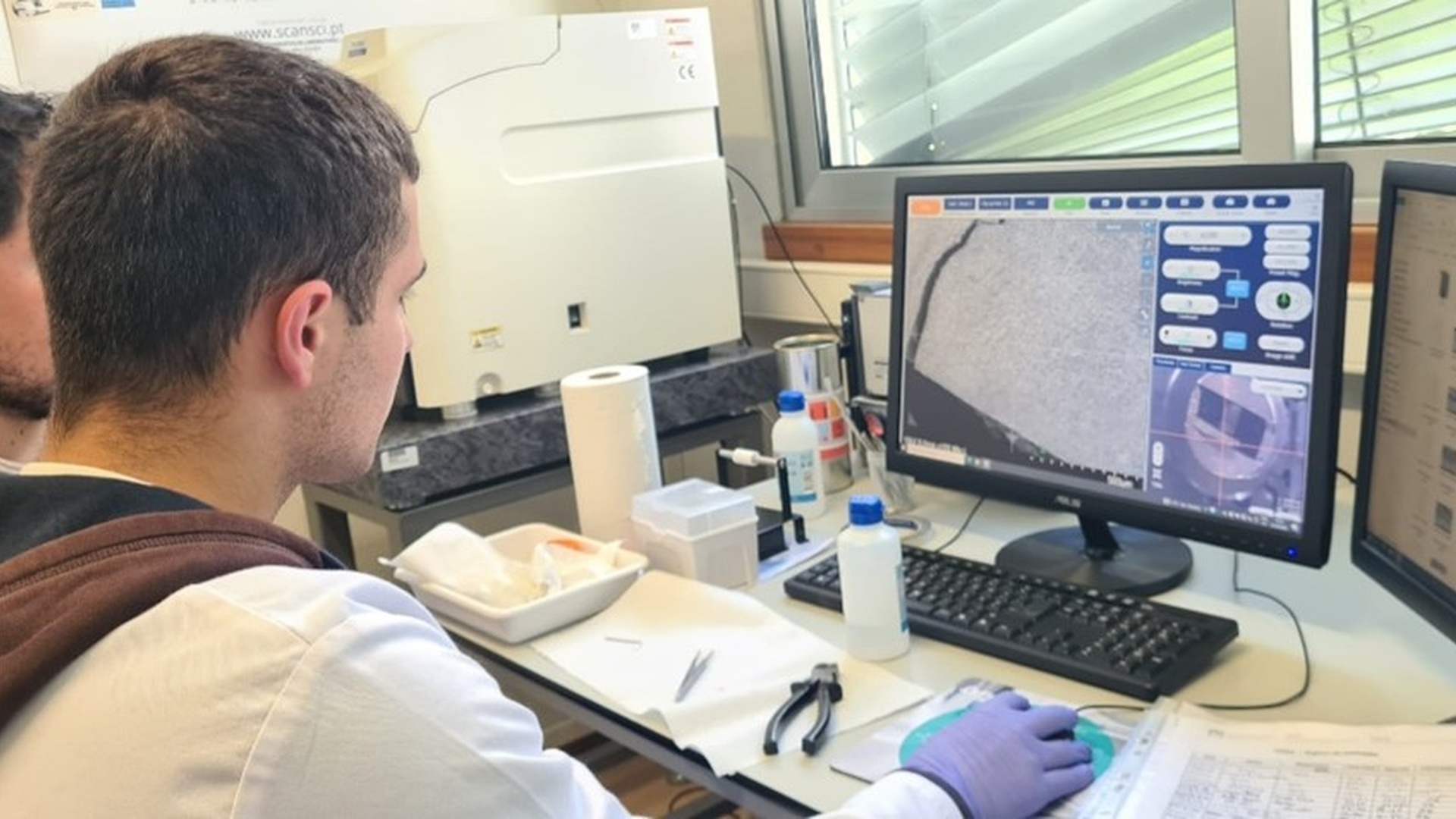
At the University of Aveiro, the activities were carried out in the laboratories of the Department of Mechanical Engineering associated with the TEMA Research Unit – Centre for Mechanical Technology and Automation, providing participants with direct contact with the academic environment and with the practice of scientific research.
The initiative benefited from the collaboration of TEMA researchers Allan Araújo, Vanessa Graça, Francisco Loureiro, Maxwell Garcia, and Eloísa Macedo, who accompanied the students on visits to the following laboratories:
X-ray Laboratory
Electrochemistry Laboratory
Microscopy and Imaging Laboratory
Materials Synthesis Laboratory
Materials Heat Treatment Laboratory
Transport and Intelligent Mobility Laboratory
The set of laboratories in the energy area provided students with an integrated view of the development of electrochemical devices, with a focus on electrolyzers. The experimental activities made it possible to follow different stages of the process, from materials synthesis and thin film deposition by screen printing and spin coating, to characterization techniques, including X-ray diffraction, scanning electron microscopy, and electrochemical testing. Particular emphasis was placed on the microstructural observation of cells after testing, with a view to identifying degradation phenomena. The main objective of the activity was to highlight the complete manufacturing and characterization pathway of these devices, as well as their relevance in the production of gases of interest for industrial applications.
The Intelligent Mobility Laboratory organized a set of interactive activities focused on data analysis and the development of solutions for smart cities. The first activity involved the use of a driving simulator in an urban road environment, where data were collected on speed, acceleration, pedal use, gear shifting, and lane position. Through models, it was possible to estimate indicators such as pollutant emissions and driving volatility, highlighting the contribution of data to more sustainable mobility. In the second part, the students took on the role of “Researchers for a Day,” based on the vision of the Interreg Europe RESONANCE Project, with a focus on smart lighting systems. In “Mission 1: The Impact Calculator,” they quantified the benefits of smart lighting (consumption, savings, and CO₂), including a real case on Avenida Lourenço Peixinho. In “Mission 2: Smart Campus Planning,” the students used Google My Maps to plan the deployment of smart lighting points with different devices, taking into account various functionalities: security, environmental monitoring, and services for the university community. The exercise included the creation of digital maps with multiple lighting points, duly justified, using the University of Aveiro Campus as a case study.
The science internships constitute a rewarding experience, fostering interest in science, engineering, and higher education, and strengthening the link between the university and the school community.
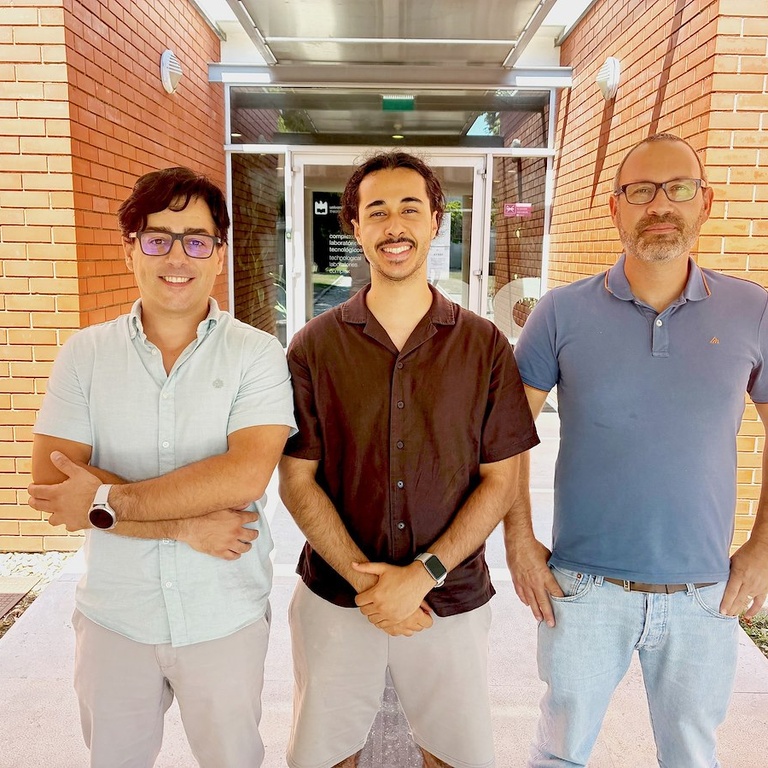
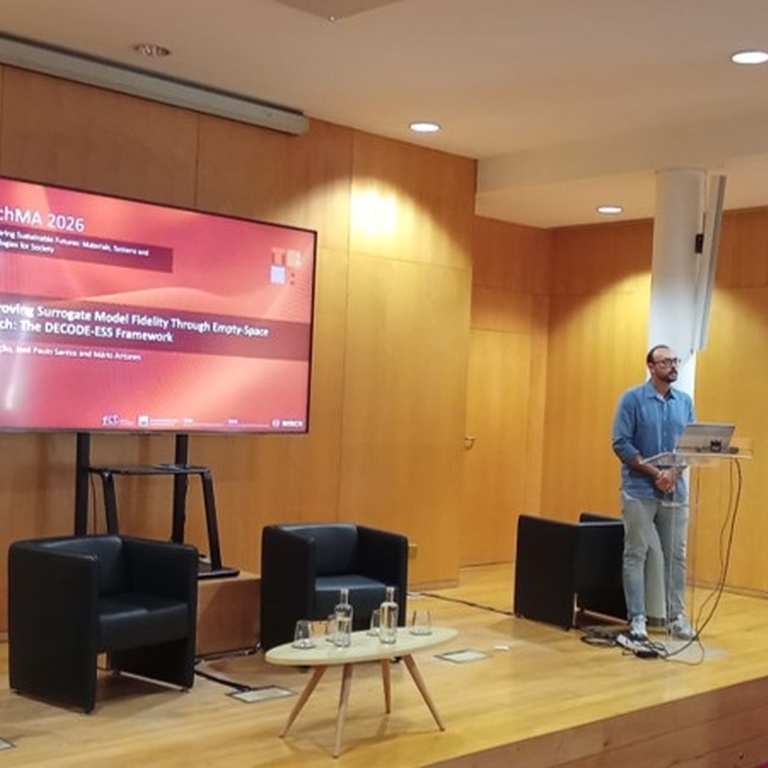
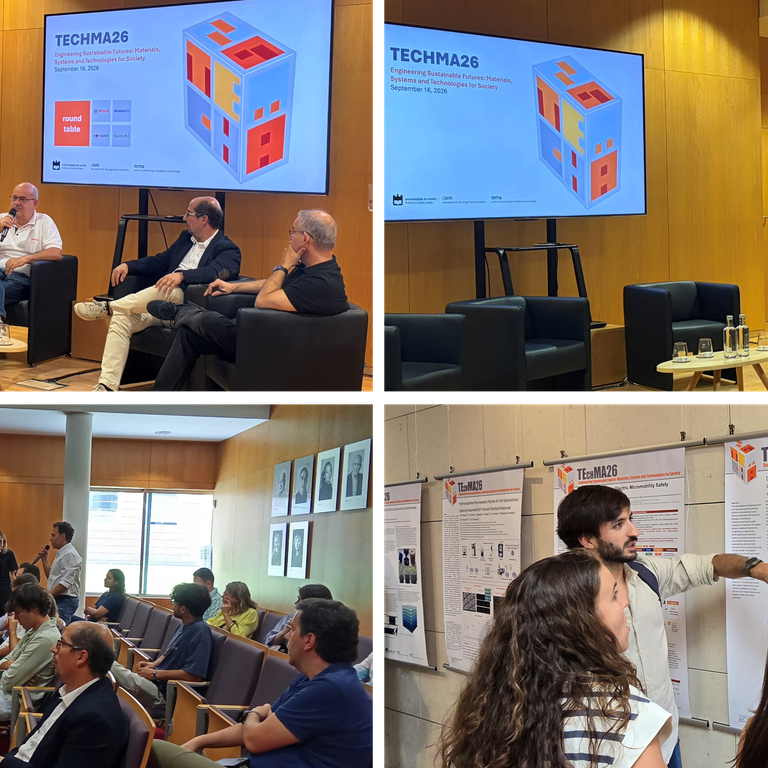
TEchMA 2026 Brought Together More Than 100 Participants to Discuss Engineering, Innovation and Sustainability
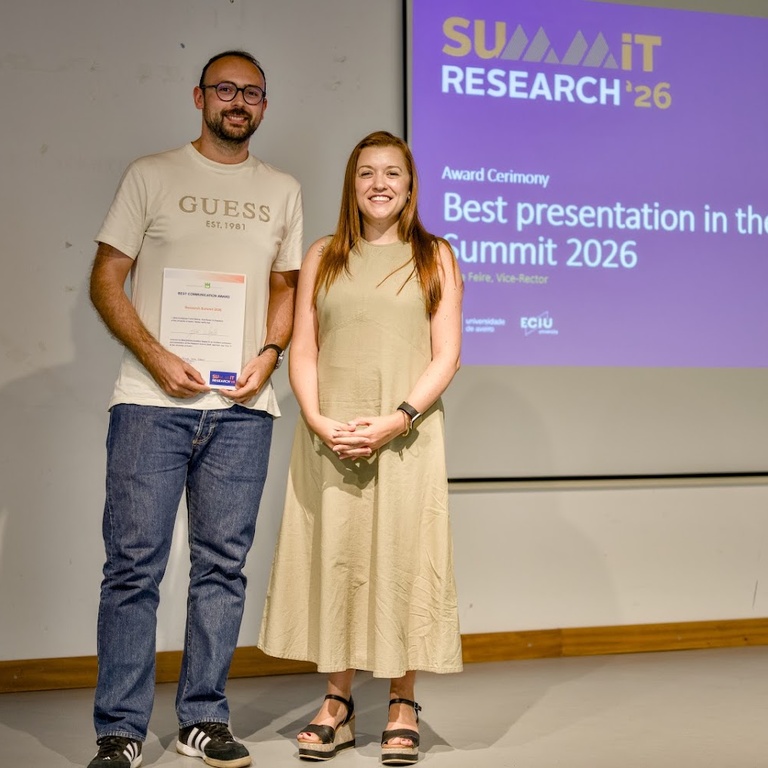
TEMA secures €1.46 million for new state-of-the-art scientific infrastructures
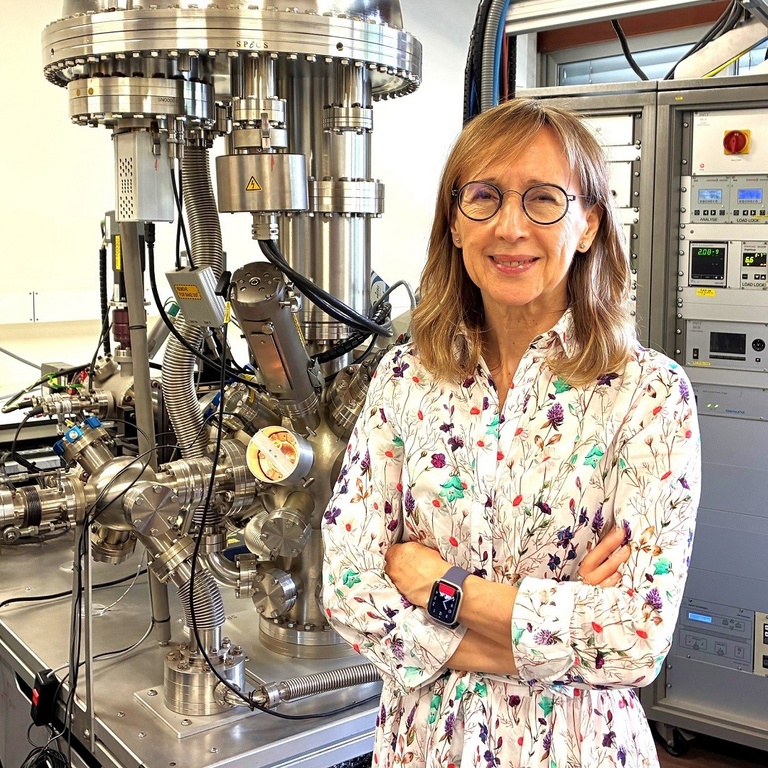
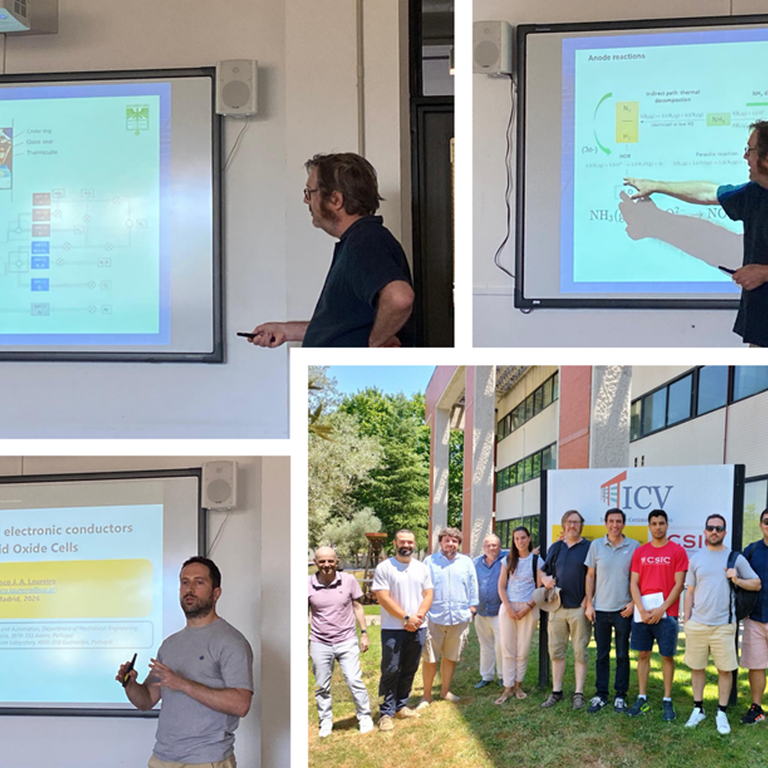
TEMA Strengthens International Collaboration with ICV-CSIC through the I-LINK25007 Project
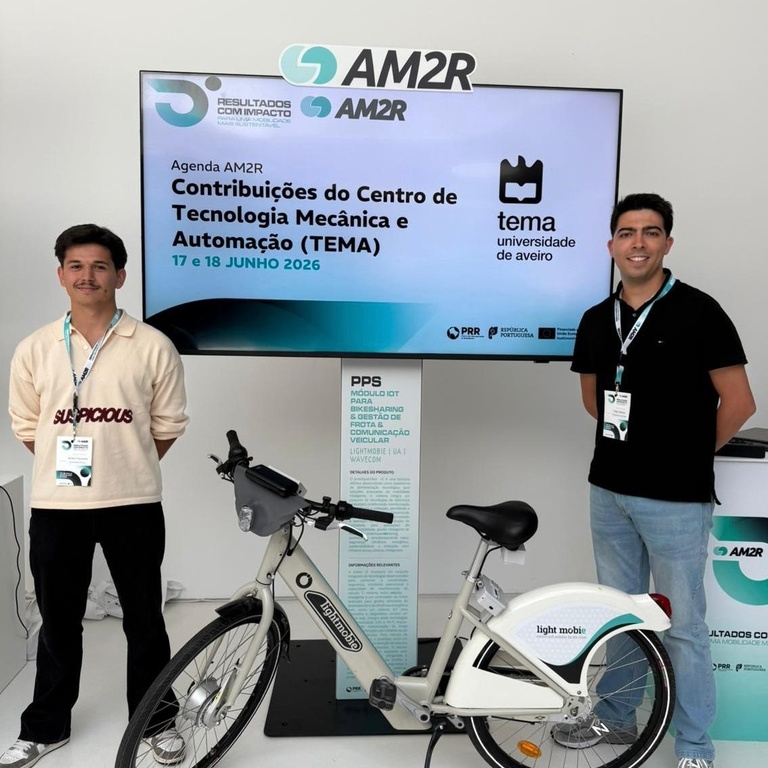
TEMA researchers participate in the final event of the AM2R Mobilizing Agenda and present a smart bicycle prototype
Professor Paulo Davim ranked first in Portugal in Mechanical and Aerospace Engineering in 2026
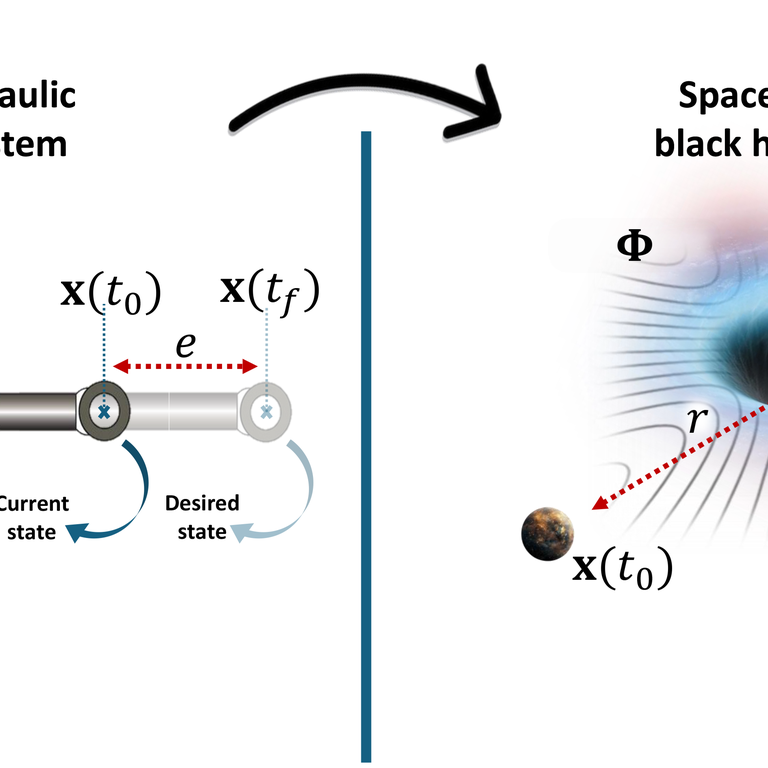
Paper published on black hole–inspired control

Project led by a TEMA researcher, Gil Gonçalves, develops innovative nanocapsules to revolutionize cancer therapies


Study from the University of Aveiro shows that more compact cities are more sustainable - the team includes a researcher from TEMA

Prof. João Paulo Davim has been awarded the highest professional distinction granted by the Portuguese Institution of Engineers

Recognised excellence: LEM renews its ISO 9001 certification for another 3 years

SLIC brought together experts and researchers in sustainable lighting at the University of Aveiro

UA researcher ranked as Portugal’s No. 1 in Mechanical and Aerospace Engineering

TEMA Achieves Top National Ranking with "Excellent" FCT Evaluation

In vitro 3D electrical stimulation technology: patent application in Europe and the USA

Efficient Water Supply & Wastewater Systems Forum

UAveiro researcher represents Europe in the Research in Engineering Education Network

UA researchers develop a more comfortable and efficient bicycle system


