Publication date
27 february 2025


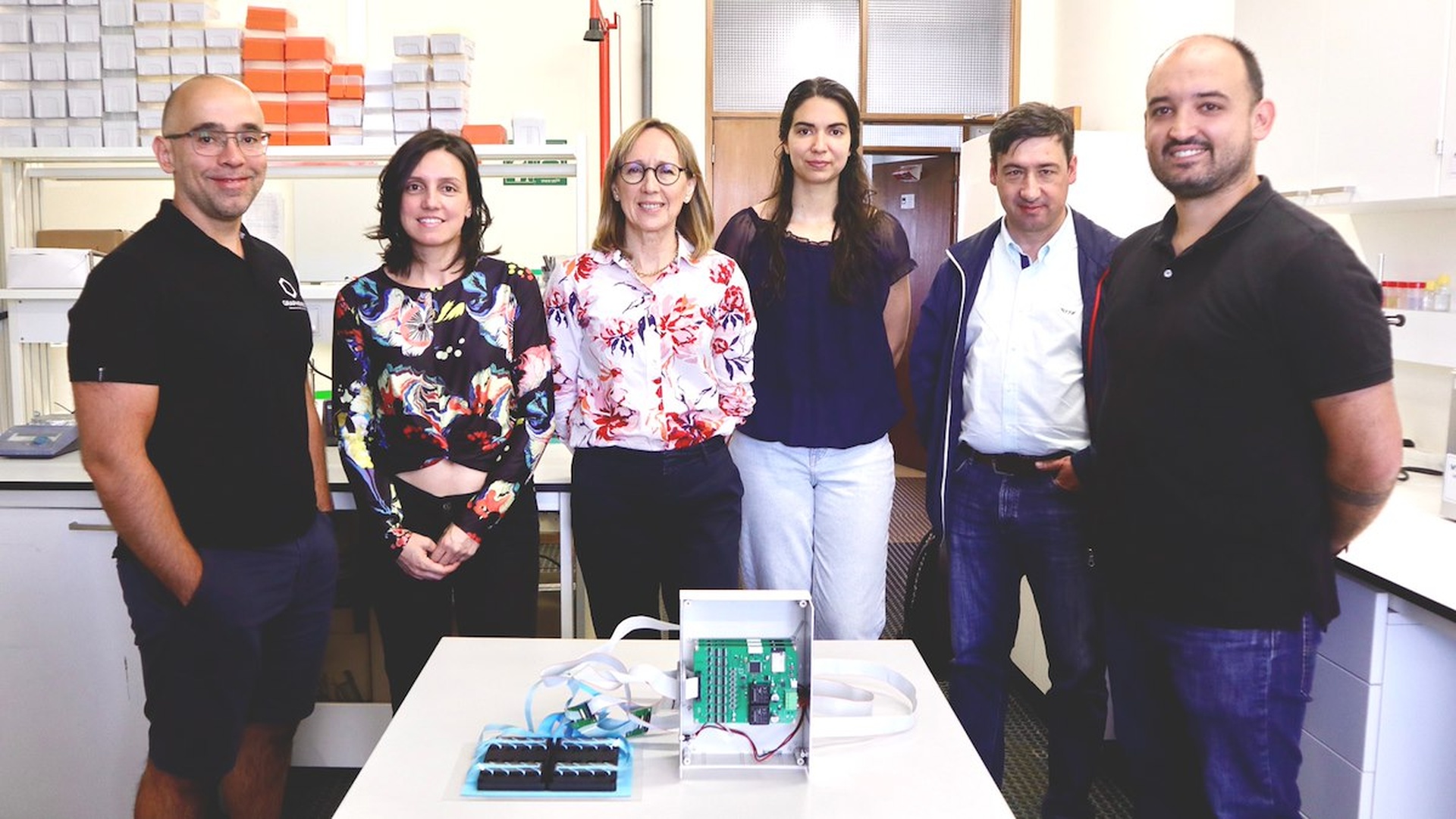
The innovative device for 3D electrical stimulation in vitro, developed as part of the European NeuroStimSpinal project, has been patented in Europe and the United States. This technology, with potential impact in the area of tissue engineering and regenerative medicine, is the result of multidisciplinary collaboration between researchers from Universidade de Aveiro (UAveiro), the Telecommunications Institute (IT-Aveiro) and the company Graphenest.
The NeuroStimSpinal project, coordinated by researcher Paula Marques, began in April 2019 and ends in September 2023. This collaboration between academia and industry contributed significantly to the success of the project, resulting in an innovative technology with potential impact in the area of tissue engineering and regenerative medicine. The device uses multi-electrode graphene arrays to electrically stimulate stem cells, promoting their differentiation into target tissues, an essential feature for tissue engineering.
This approach makes it possible to recreate experimental conditions that are closer to those seen in vivo, facilitating the regeneration of tissues that are sensitive to electrical stimulation, such as nerve, heart and muscle tissues. The main advantages of the technology include improved tissue integration, since graphene multielectrodes have structural and chemical properties similar to those of the target tissues. In addition, the device has the potential to accelerate the development of tissues for the treatment of neurological injuries, as well as contributing to new innovative medical approaches, including surgical and physiotherapeutic interventions aimed at relieving pain, maintaining tissue continuity and slowing down the progression of degenerative diseases.
The team responsible for developing this technology includes Paula Marques, director of the Centre for Mechanical Technology and Automation (TEMA), and Natália Barroca, also a researcher at TEMA, both members of the Department of Mechanical Engineering of UAveiro, as well as Luís Alves and Patrícia Martins, from the Department of Electronics, Telecommunications and Informatics and members of IT-Aveiro. On the Graphenest side, inventors Bruno Figueiredo, Rui Silva, Adriana Bernardes and Vitor Abrantes stand out.
Initially protected by a national patent application, with the support of UACOOPERA, the device has now obtained protection in the main international jurisdictions. This extension of intellectual property coverage creates the conditions for commercial exploitation of the technology on a global scale, reinforcing its potential impact in the areas of regenerative medicine and tissue engineering.
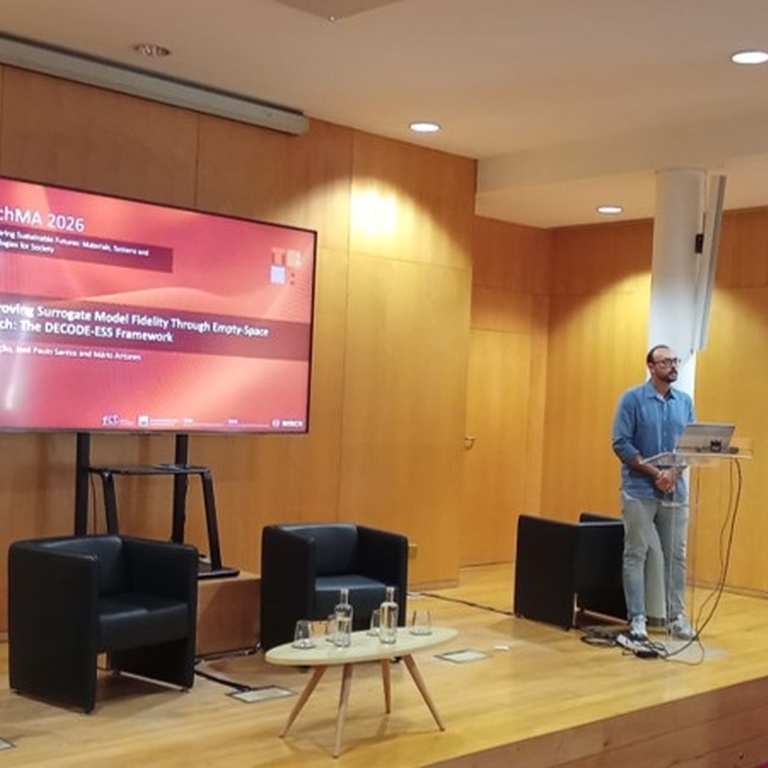
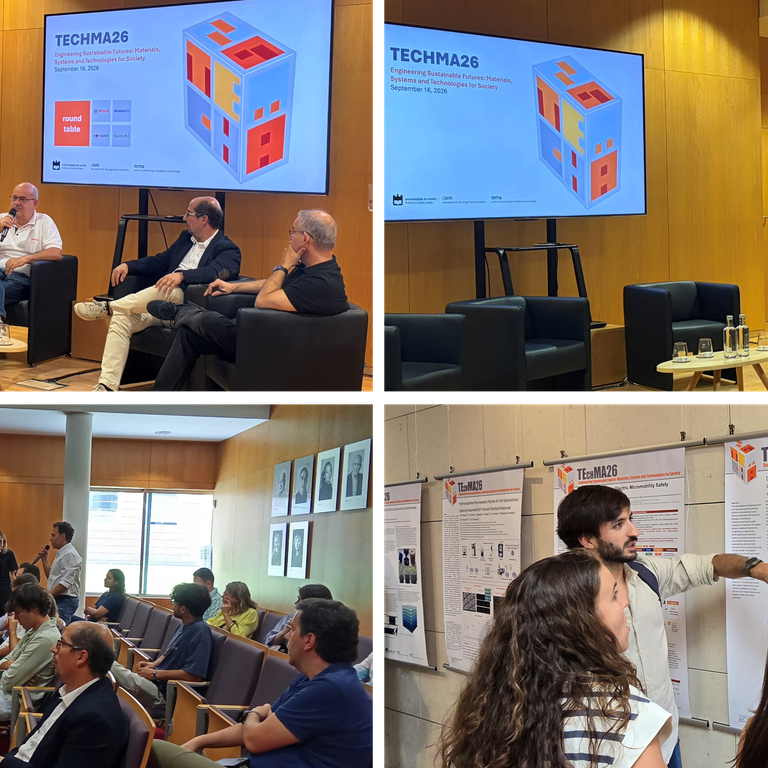
TEchMA 2026 Brought Together More Than 100 Participants to Discuss Engineering, Innovation and Sustainability
TEMA secures €1.46 million for new state-of-the-art scientific infrastructures
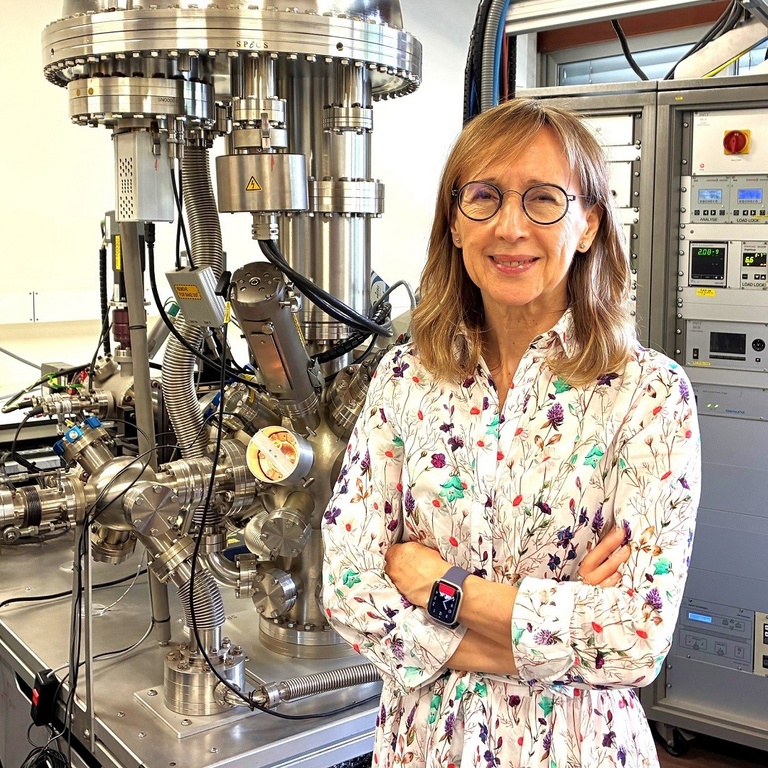
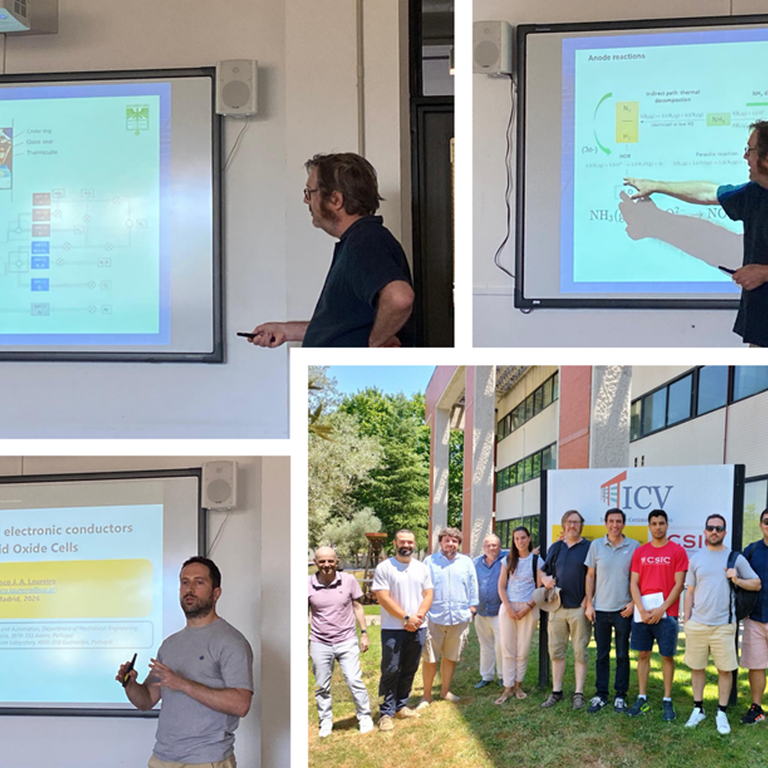
TEMA Strengthens International Collaboration with ICV-CSIC through the I-LINK25007 Project
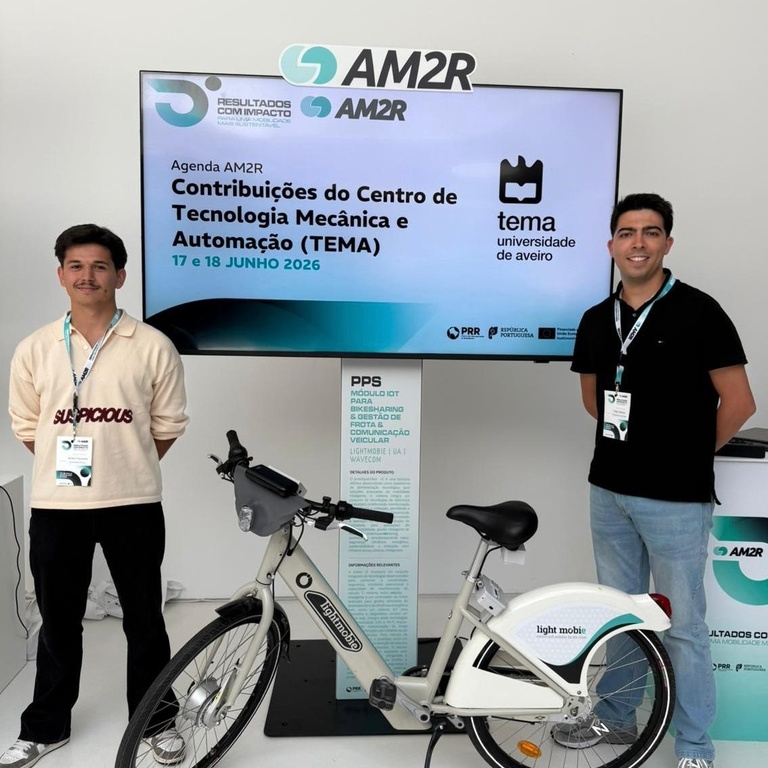
TEMA researchers participate in the final event of the AM2R Mobilizing Agenda and present a smart bicycle prototype
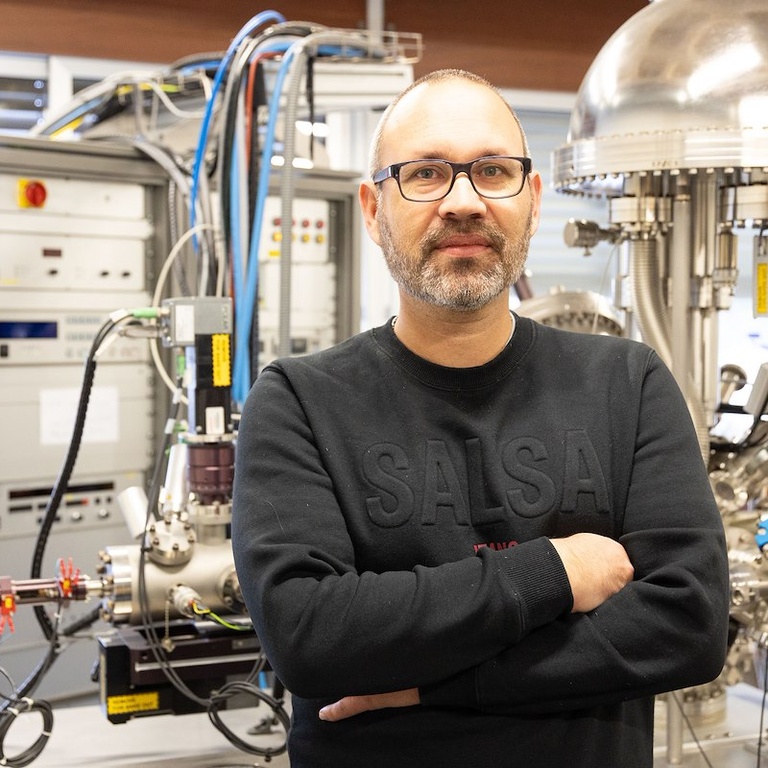
Professor Paulo Davim ranked first in Portugal in Mechanical and Aerospace Engineering in 2026

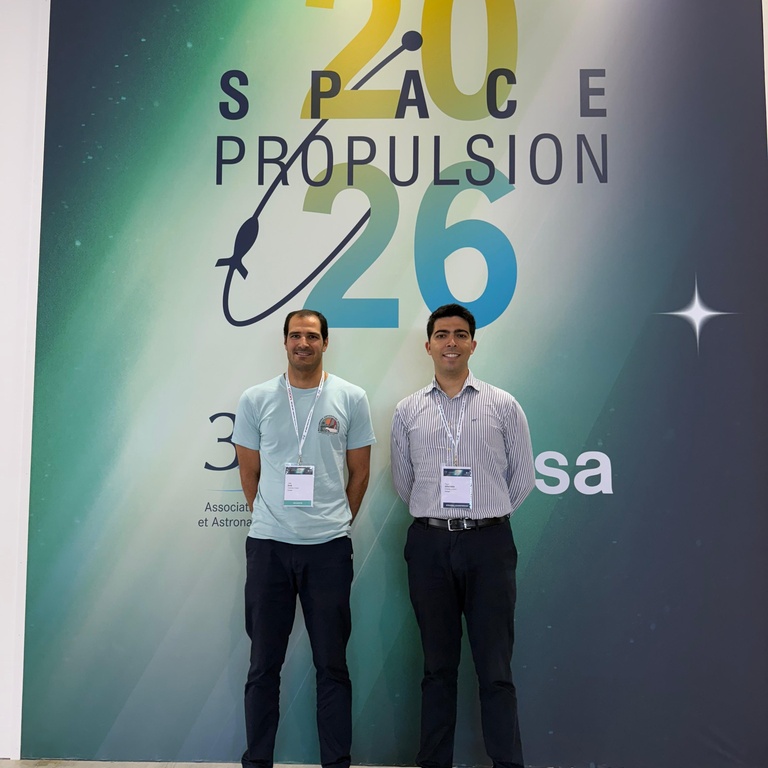
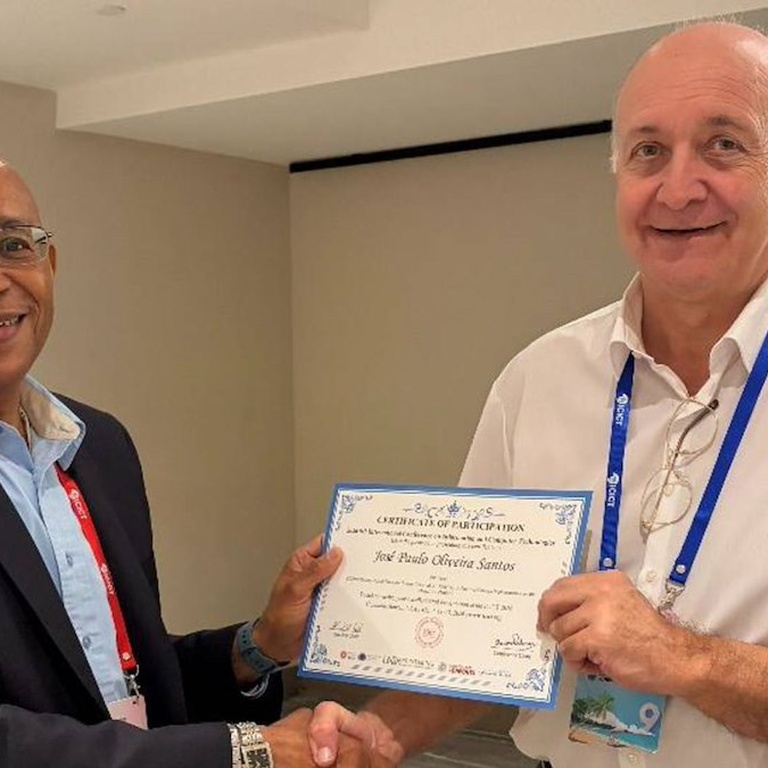
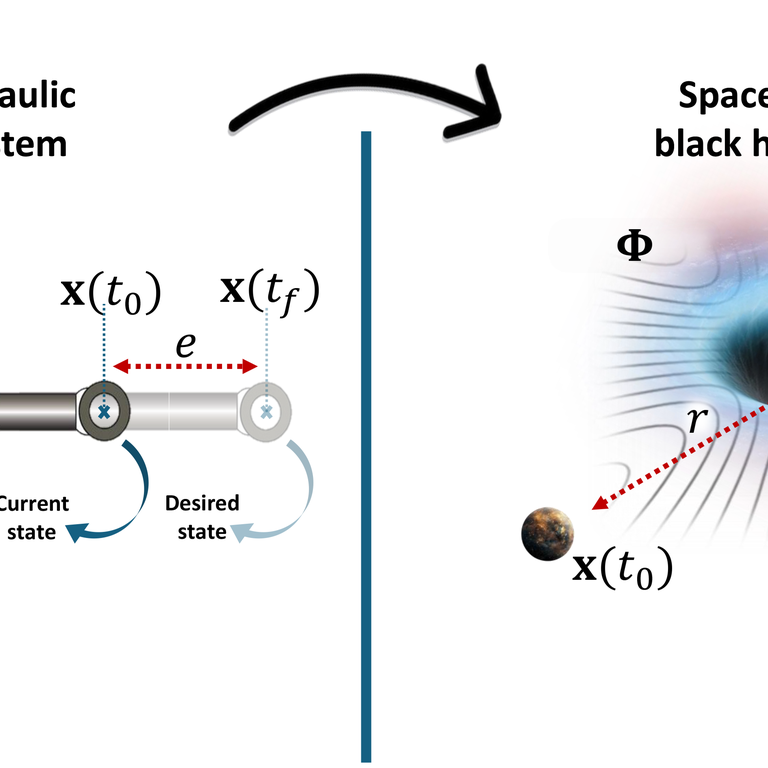
Paper published on black hole–inspired control
Easter 2026 Science Internships at TEMA


Project led by a TEMA researcher, Gil Gonçalves, develops innovative nanocapsules to revolutionize cancer therapies


Study from the University of Aveiro shows that more compact cities are more sustainable - the team includes a researcher from TEMA

Prof. João Paulo Davim has been awarded the highest professional distinction granted by the Portuguese Institution of Engineers

Recognised excellence: LEM renews its ISO 9001 certification for another 3 years

SLIC brought together experts and researchers in sustainable lighting at the University of Aveiro

UA researcher ranked as Portugal’s No. 1 in Mechanical and Aerospace Engineering

TEMA Achieves Top National Ranking with "Excellent" FCT Evaluation

Efficient Water Supply & Wastewater Systems Forum

UAveiro researcher represents Europe in the Research in Engineering Education Network

UA researchers develop a more comfortable and efficient bicycle system


