Publication date
19 march 2026


The University of Aveiro (UA) is developing innovative carbon nanocapsules for a new generation of cancer treatments based on a novel variant of Neutron Therapy. The CarboNCT project introduces, for the first time in this context, the use of lithium‑6 as an alternative to traditional boron‑10 in an approach known as Neutron Capture Therapy, with the goal of making radiotherapy more precise and effective while reducing side effects in healthy tissues.
Cancer remains one of the leading causes of death worldwide and, despite scientific advances, many aggressive tumours continue to be difficult to treat. The side effects of conventional therapies and the risk of recurrence remain significant challenges.
A nuclear reaction serving medicine
Neutron Capture Therapy is a specialised form of radiotherapy designed to selectively destroy tumour cells. The principle involves delivering to cancer cells a specific element that, when exposed to neutrons, triggers a nuclear reaction capable of releasing sufficient energy to destroy those cells—but with an extremely short range, practically at the scale of a single cell.
Traditionally, this technique relies on boron‑10. However, the UA team is exploring the potential of lithium‑6 to increase therapeutic efficiency and treatment precision.
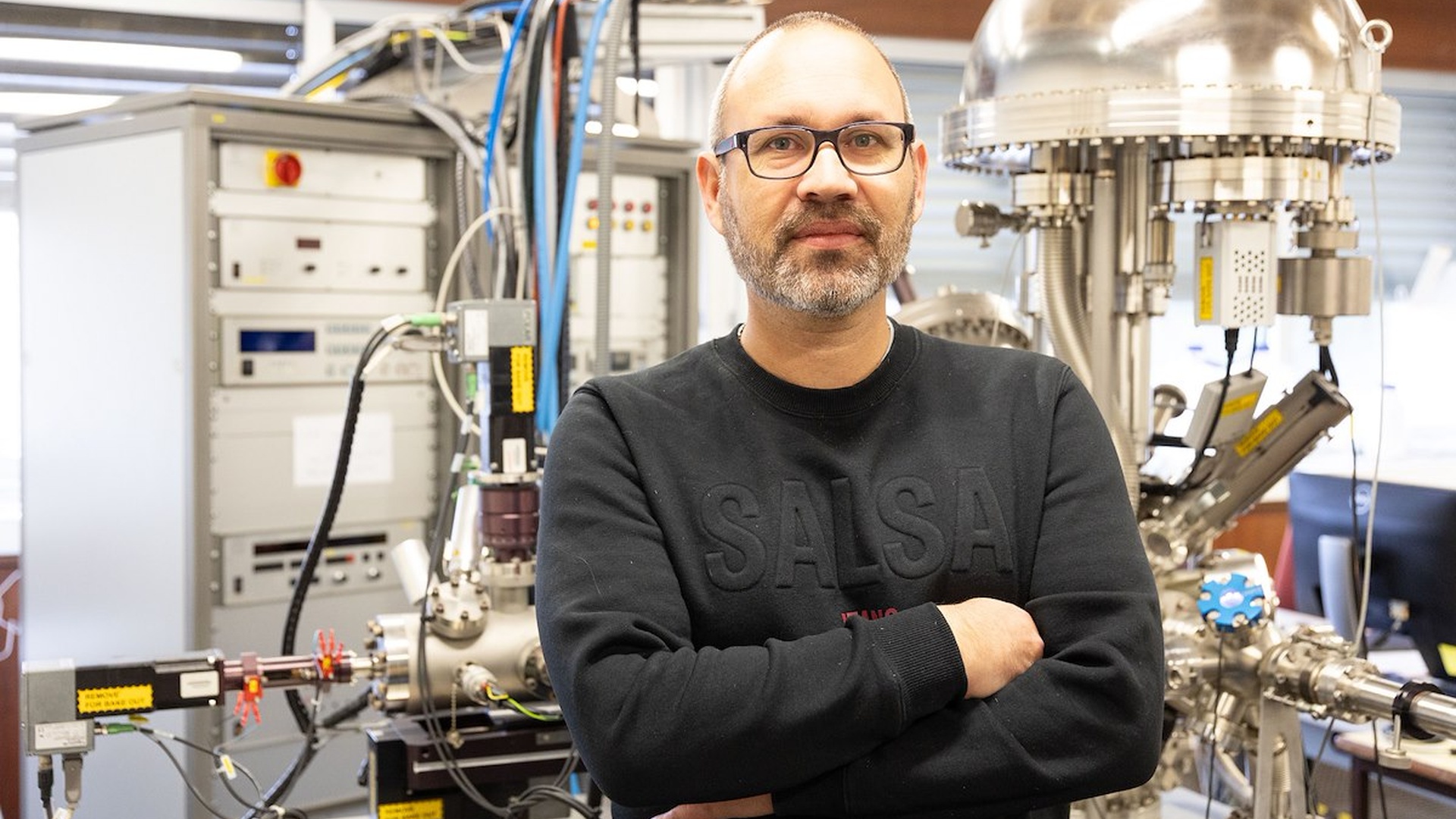
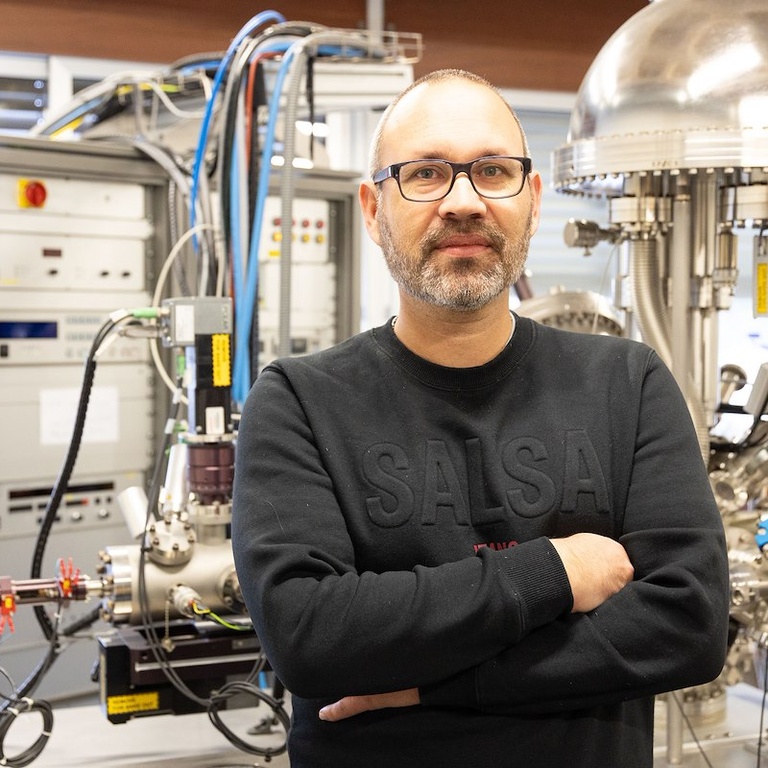
“CarboNCT aims to develop multifunctional carbon nanocapsules capable of transporting high concentrations of active isotopes within them, increasing their stability, reducing potential toxic effects, and improving therapy efficiency,” explains Gil Gonçalves, researcher at TEMA – Centre for Mechanical Engineering and Automation, affiliated with the Department of Mechanical Engineering at the University of Aveiro, and coordinator of the project.
According to him, “we are exploring, for the first time in this approach, lithium‑6 as an alternative to boron‑10, seeking to enhance treatment accuracy and effectiveness.”
Nanotechnology to deliver treatment directly to the tumour
One of the greatest challenges of this therapy is ensuring that the active element reaches tumour cells in sufficient quantity—without affecting healthy tissues—to enable more effective treatment.
To address this challenge, the team developed carbon nanocapsules—extremely small particles—capable of transporting lithium‑6 into cancer cells. These structures increase compound stability and enable more controlled and safer delivery.
“The results we have obtained are very promising,” says Gil Gonçalves. “The nanocapsules have shown high biocompatibility in non‑cancerous cells and demonstrated effective accumulation in tumour cells.”
Another advantage identified is the natural fluorescence of the nanoparticles, which makes it possible to track their presence inside the cells—potentially becoming a useful tool for treatment monitoring.
Several laboratory tests are still underway, in collaboration with the Faculty of Medicine of the University of Coimbra and with the University of Pavia’s Applied Nuclear Energy Laboratory (LENA).
Towards more personalised treatments
By combining nanotechnology, bioengineering, nuclear physics and nuclear medicine, CarboNCT seeks to lay the groundwork for a new generation of more selective and patient‑tailored cancer therapies.
If future results confirm the potential already demonstrated, this approach could drive the development of a new generation of neutron‑based therapeutic agents, enabling broader and more sustainable clinical implementation—an advance with direct impact on patients’ quality of life.
International recognition
The scientific relevance of the CarboNCT project has also gained international visibility. The research developed by the TEMA/UA team was recently featured on Euronews, in a story highlighting how carbon nanocapsules may help make radiotherapy safer and more effective.
Read the Euronews article: https://www.euronews.com/health/2026/03/19/tiny-capsules-could-make-radiotherapy-safer-and-more-effective-portuguese-scientists-find
Link to the project https://carbonct.web.ua.pt/
TEchMA 2026 Brought Together More Than 100 Participants to Discuss Engineering, Innovation and Sustainability

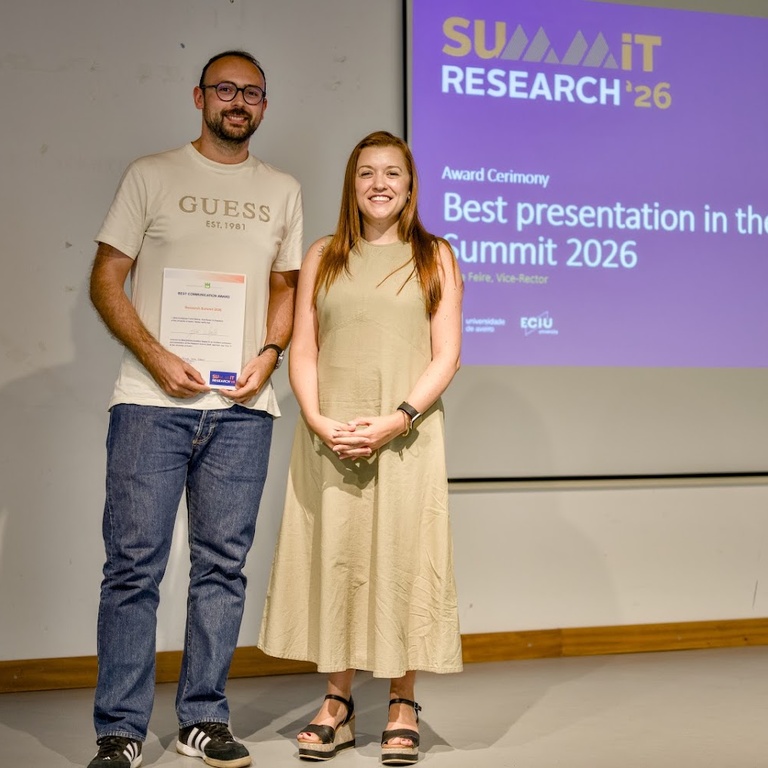
TEMA secures €1.46 million for new state-of-the-art scientific infrastructures
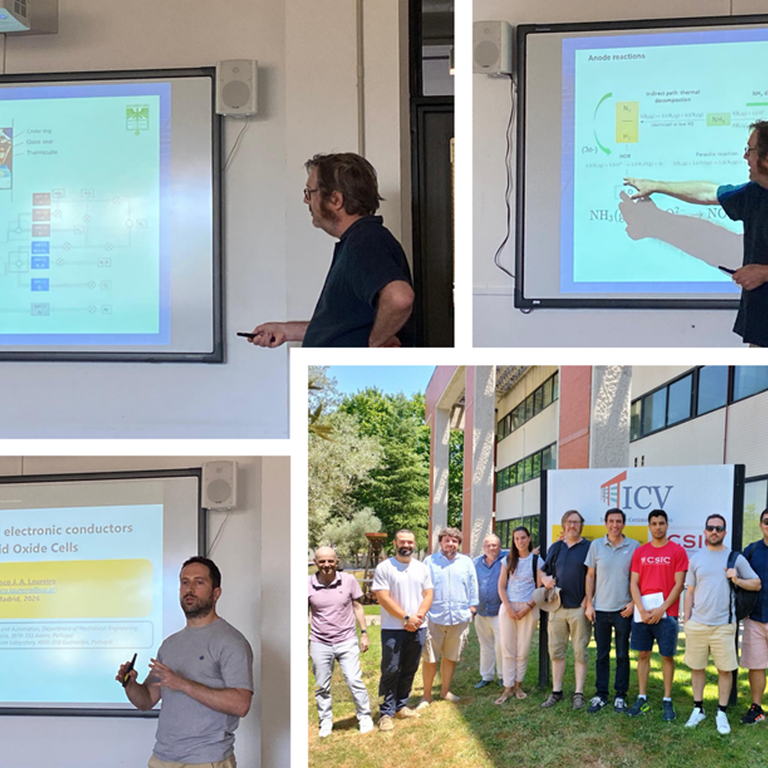
TEMA Strengthens International Collaboration with ICV-CSIC through the I-LINK25007 Project
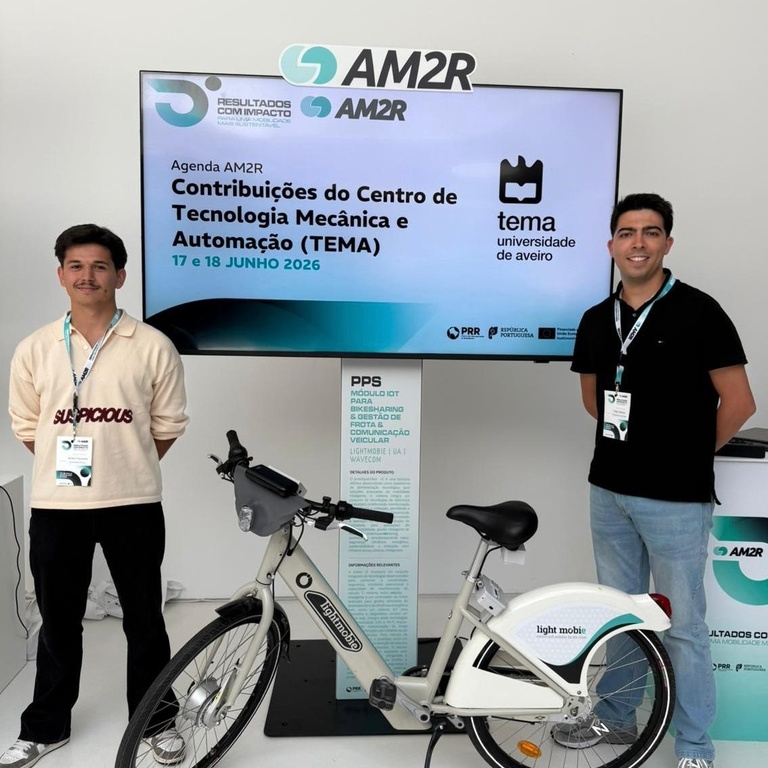
TEMA researchers participate in the final event of the AM2R Mobilizing Agenda and present a smart bicycle prototype
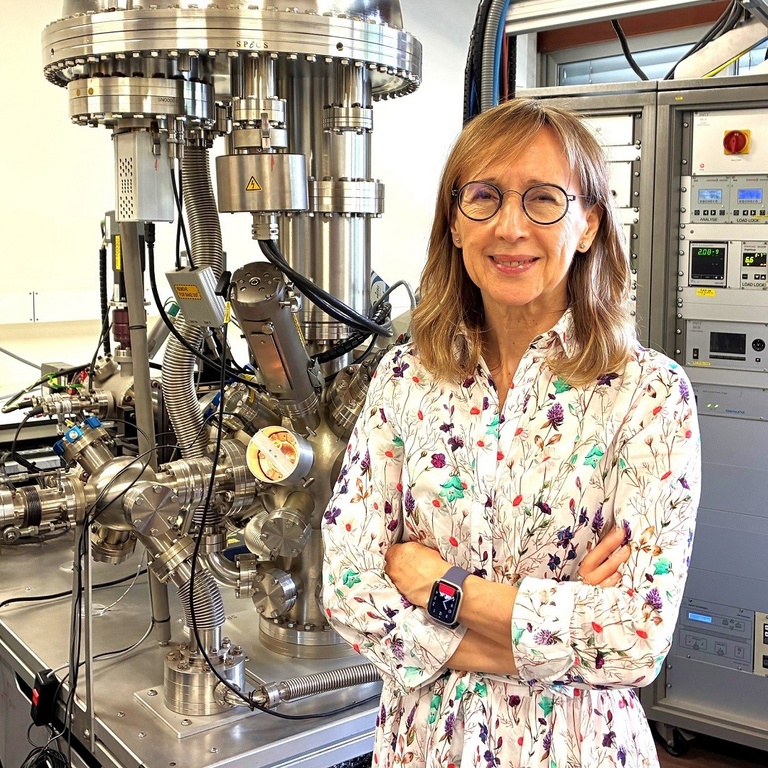
Professor Paulo Davim ranked first in Portugal in Mechanical and Aerospace Engineering in 2026
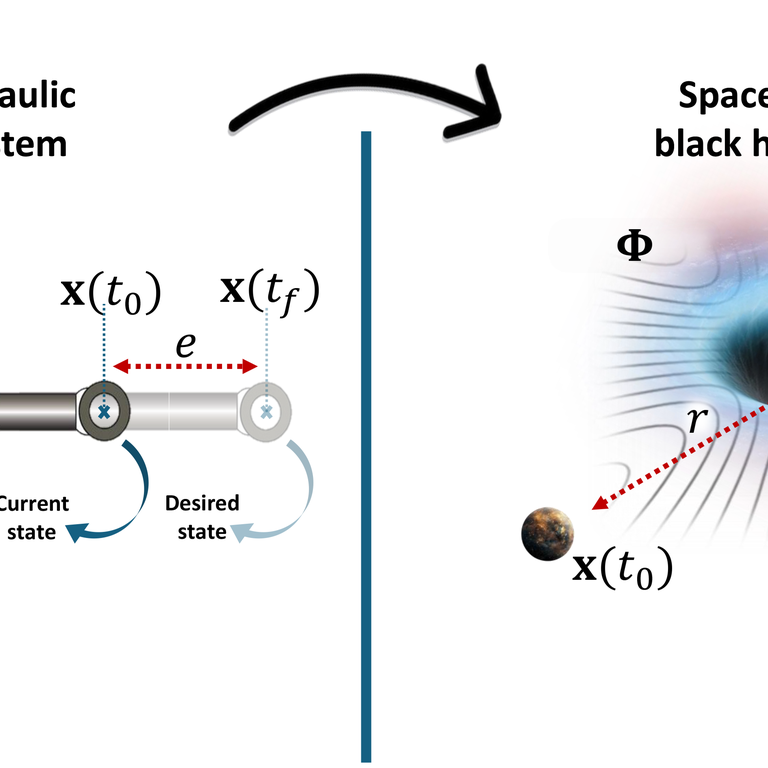
Paper published on black hole–inspired control
Easter 2026 Science Internships at TEMA


Study from the University of Aveiro shows that more compact cities are more sustainable - the team includes a researcher from TEMA

Prof. João Paulo Davim has been awarded the highest professional distinction granted by the Portuguese Institution of Engineers

Recognised excellence: LEM renews its ISO 9001 certification for another 3 years

SLIC brought together experts and researchers in sustainable lighting at the University of Aveiro

UA researcher ranked as Portugal’s No. 1 in Mechanical and Aerospace Engineering

TEMA Achieves Top National Ranking with "Excellent" FCT Evaluation

In vitro 3D electrical stimulation technology: patent application in Europe and the USA

Efficient Water Supply & Wastewater Systems Forum

UAveiro researcher represents Europe in the Research in Engineering Education Network

UA researchers develop a more comfortable and efficient bicycle system


