Publication date
15 may 2026


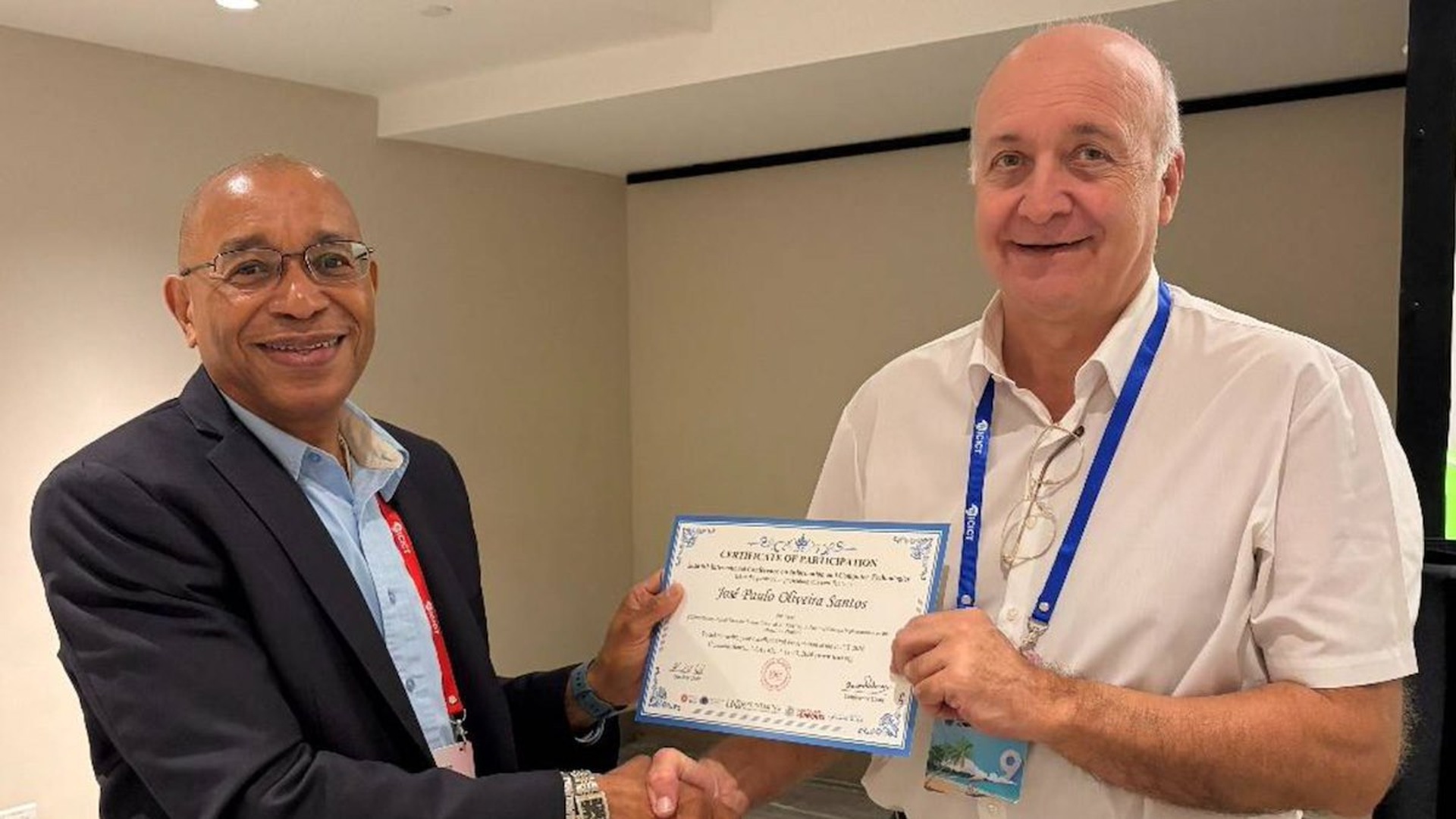
An innovative technology developed at the University of Aveiro (UA), which adapts vehicle performance to the user’s level of effort, has been awarded Best Paper at the international ICICT 2026 conference, held in the United States.
The system was tested on the “MariaBike” platform, which combines the agility of a bicycle with the robustness of a scooter, representing a significant advancement in intelligent mobility by enabling real-time modelling of the user’s physical condition.
The award-winning paper, entitled “Physio-Digital Twin for Human-Centered IoT Mobility: A Proof-of-Concept Implementation on the e-bike Platform”, was developed by researchers Syed Tahir Ali Shah, José Paulo Santos, Gabriel Constantinescu and António Bastos Pereira, from the Department of Mechanical Engineering, and José Fernandes, from the Department of Electronics, Telecommunications and Informatics.
The research presents the development and validation of a Physio-Digital Twin (PDT) integrated into the “MariaBike” electric scooter platform. This system combines physiological monitoring, embedded artificial intelligence, and adaptive mobility control. In practice, the technology analyses and models the user’s physiological and behavioural state in real time, dynamically adjusting the electric assistance torque and the vehicle’s lighting conditions to enhance comfort, efficiency, and safety.
This work is part of the AM2R Agenda – Mobilising Agenda for Business Innovation in the Two-Wheel Sector, one of the 21 Mobilising/Green Agendas for Business Innovation funded under the Portuguese Recovery and Resilience Plan (PRR), in which the University of Aveiro participates.
More information is available at: https://www.ua.pt/pt/agendasprr/
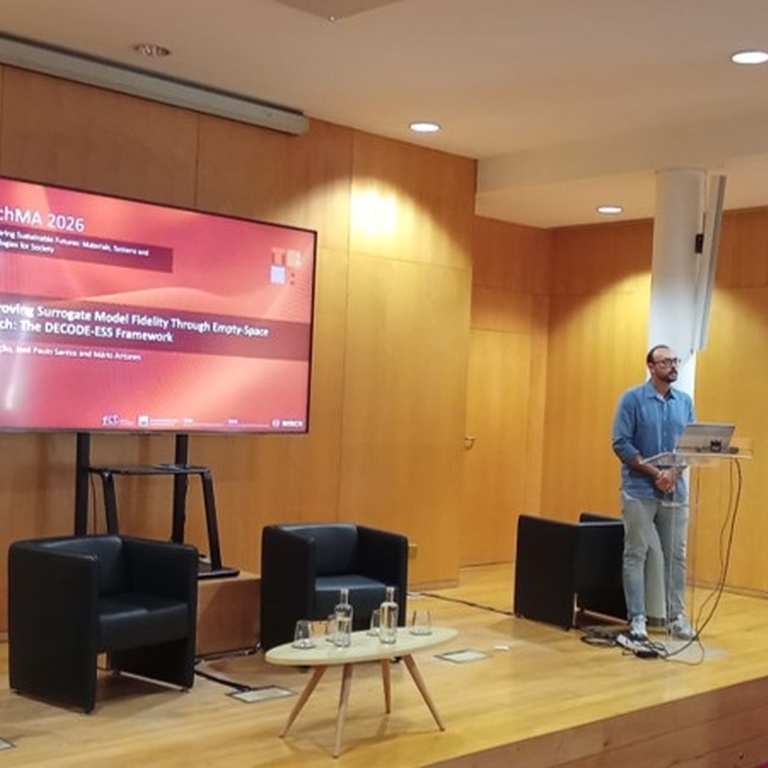
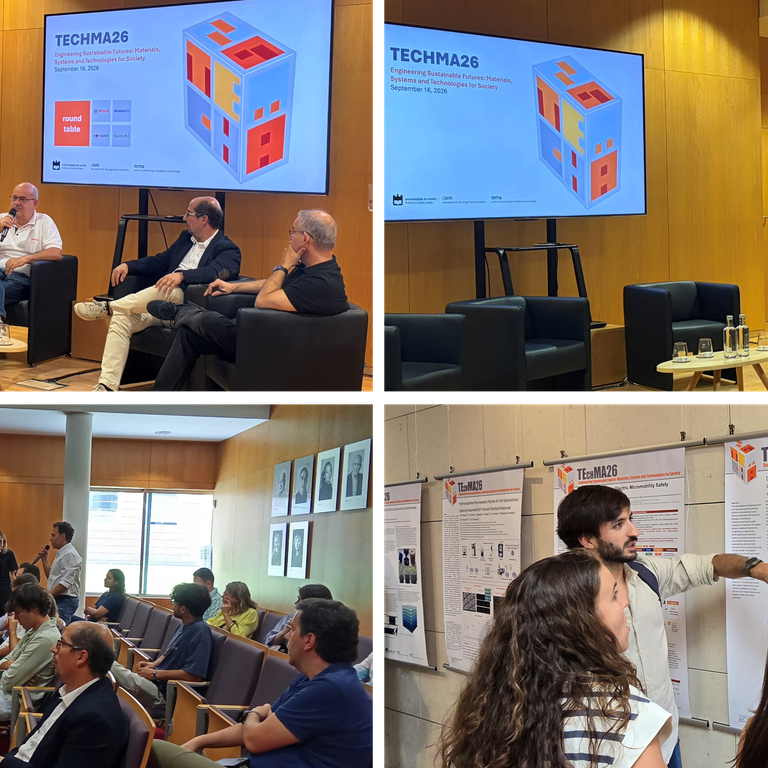
TEchMA 2026 Brought Together More Than 100 Participants to Discuss Engineering, Innovation and Sustainability
TEMA secures €1.46 million for new state-of-the-art scientific infrastructures
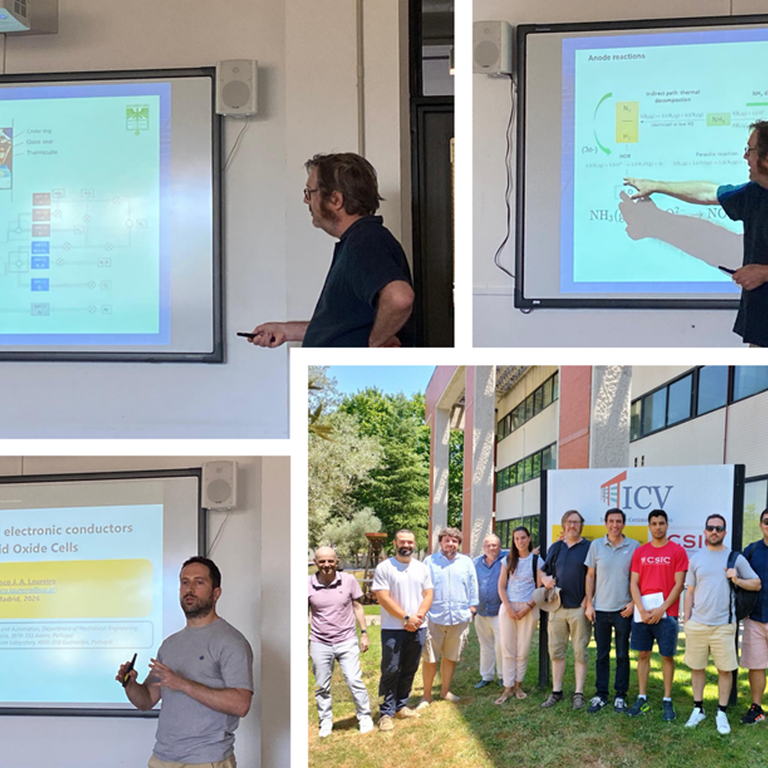
TEMA Strengthens International Collaboration with ICV-CSIC through the I-LINK25007 Project
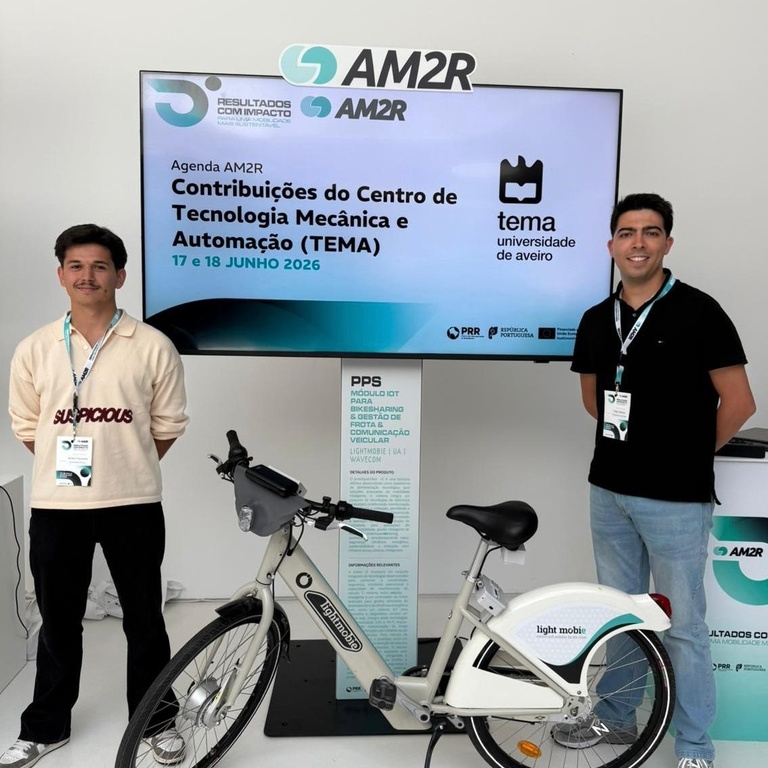
TEMA researchers participate in the final event of the AM2R Mobilizing Agenda and present a smart bicycle prototype
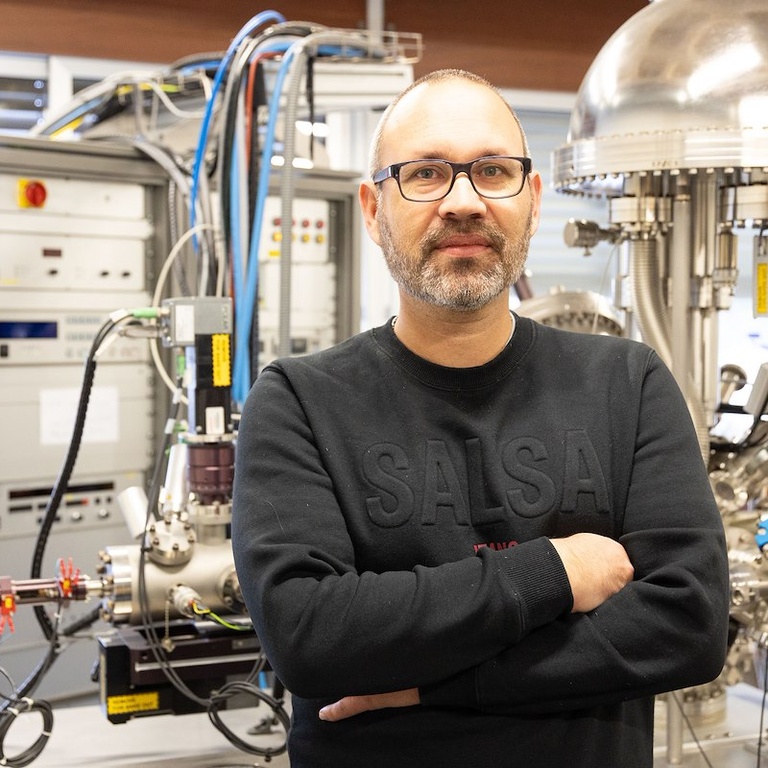
Professor Paulo Davim ranked first in Portugal in Mechanical and Aerospace Engineering in 2026
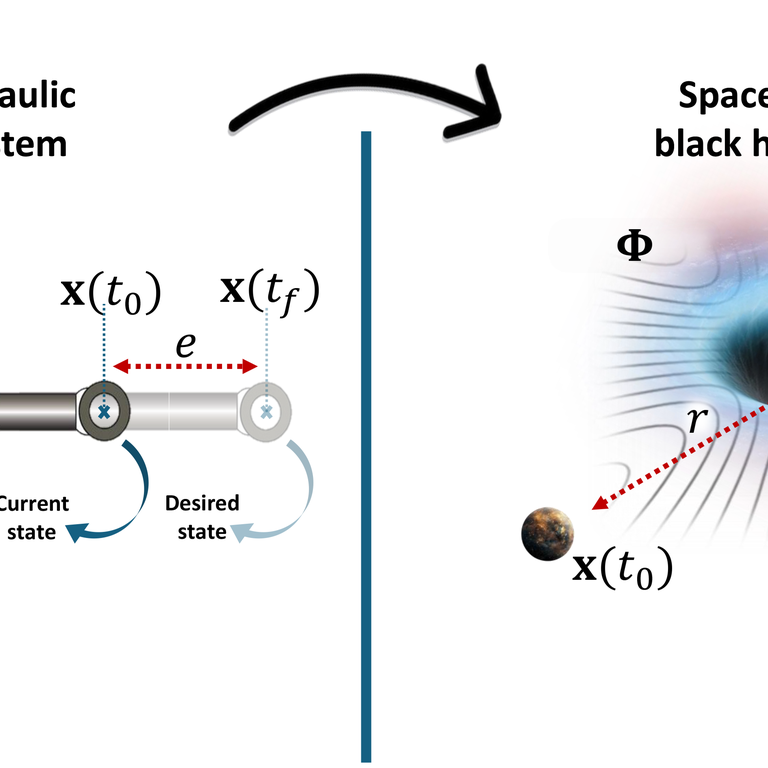
Paper published on black hole–inspired control
Easter 2026 Science Internships at TEMA


Project led by a TEMA researcher, Gil Gonçalves, develops innovative nanocapsules to revolutionize cancer therapies


Study from the University of Aveiro shows that more compact cities are more sustainable - the team includes a researcher from TEMA

Prof. João Paulo Davim has been awarded the highest professional distinction granted by the Portuguese Institution of Engineers

Recognised excellence: LEM renews its ISO 9001 certification for another 3 years

SLIC brought together experts and researchers in sustainable lighting at the University of Aveiro

UA researcher ranked as Portugal’s No. 1 in Mechanical and Aerospace Engineering

TEMA Achieves Top National Ranking with "Excellent" FCT Evaluation

In vitro 3D electrical stimulation technology: patent application in Europe and the USA

Efficient Water Supply & Wastewater Systems Forum

UAveiro researcher represents Europe in the Research in Engineering Education Network

UA researchers develop a more comfortable and efficient bicycle system


