Competencies
Responsible Researcher: Duncan Fagg
Main competences of the laboratory
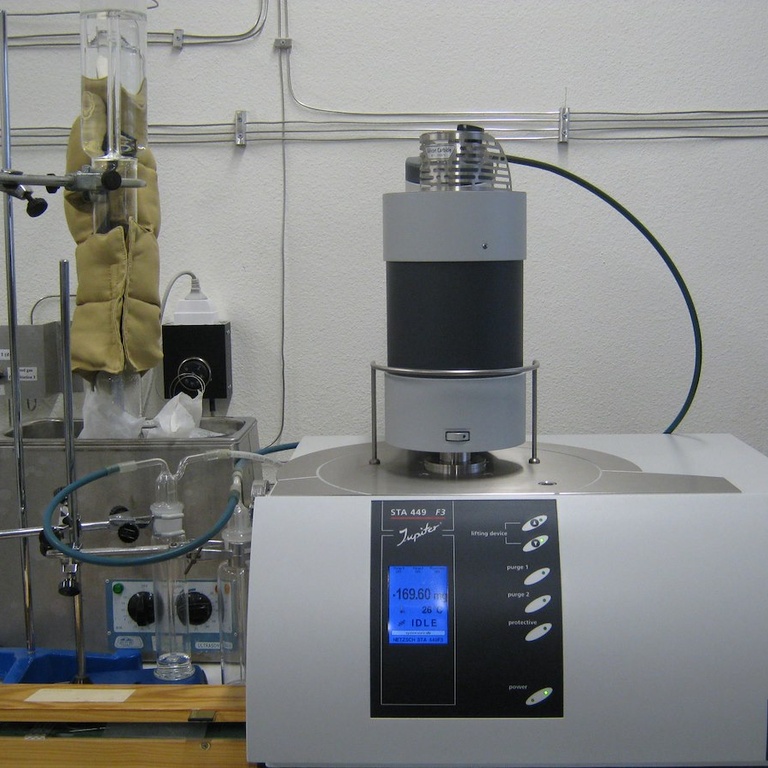
- The laboratory specializes in the optimization of ionically conducting membranes, e.g. Cation Exchange Membranes (CEM) - protons, Li/Na ions, or Anion Exchange Membranes (AEM) – oxide-ions, hydroxide ions or halide ions
- These materials are developed for applications in Solid Oxide Fuel Cells (SOFC), Solid Oxide Electrolyser Cells (SOEC), Proton Exchange Membranes (PEM), proton ceramic devices, batteries, Reverse Electrodialysis (RED), Chloralkali processes, and CO2 reduction technologies.
- The group has strong expertise in the characterization and development of these materials, focusing on defect chemistry and structure–property relationships.
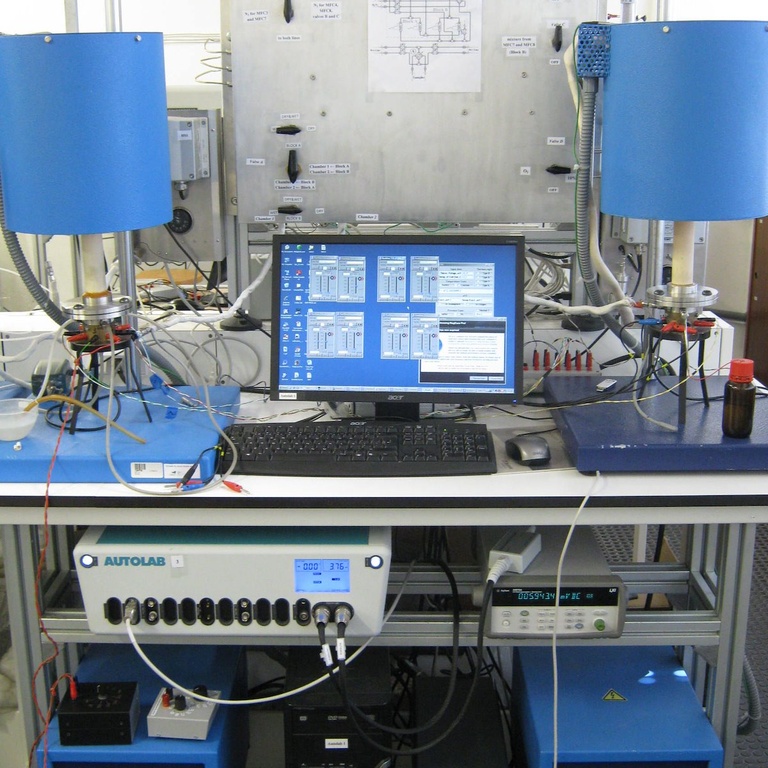
- A distinctive technical competence is the ability to separate the minor contributions to overall conductivity using electrochemical methods.
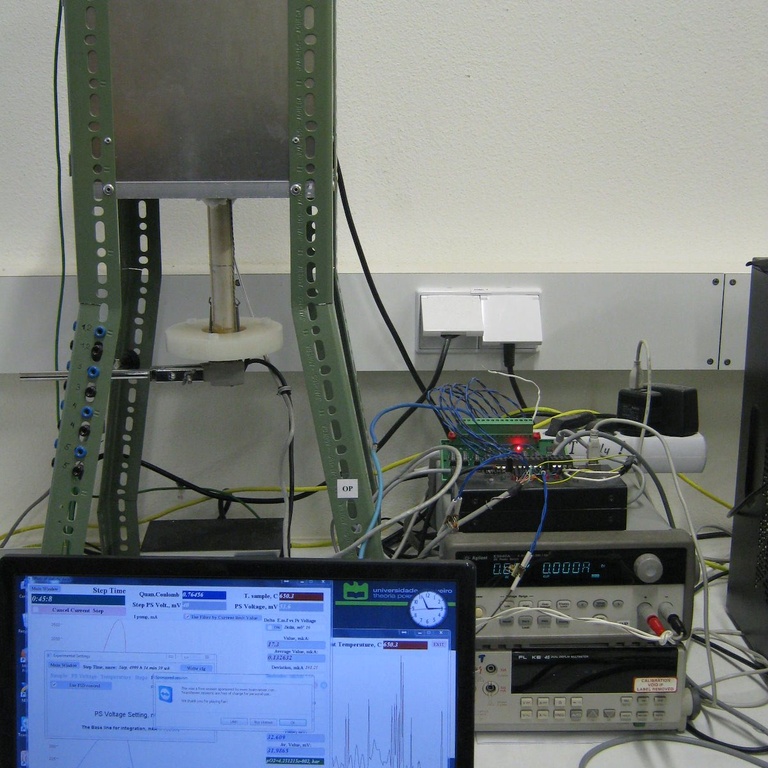
- The team also develops research in solid-state hydrogen storage and has built an in-house automated Sievert-type apparatus for volumetric hydrogen storage measurements.
Relevant complementary information
- The laboratory integrates several research lines: materials for fuel cells and electrolysers, biogas upgrading, high-temperature co-electrolysis for synthetic fuel production, and hydrogen-separation membranes.
- This diversity of applications strengthens the lab’s relevance to sustainable energy technologies — clean fuels, hydrogen, and advanced electrochemical systems.
- The approach of the laboratory is not merely empirical: it involves fine control of defect chemistry and structural manipulation, showing a high level of scientific depth in both fundamental and applied research.
In summary: the laboratory brings together competences in materials design, sophisticated electrochemical characterization, and instrument engineering — making it well positioned for cutting-edge research in energy conversion and hydrogen storage.