Competencies
Responsible Researcher: António Completo
The Biomechanics Laboratory (BIO) integrates expertise in mechanical testing, computational modelling, medical‑device development and mechanobiology. Its activities range from the characterization of materials and implants to prototyping, tissue engineering and mechanobiology. The laboratory combines experimental and computational approaches, supporting innovative solutions in biomechanics, mechanobiology and biofabrication.
1 - Experimental Biomechanics (mechanical testing and characterization)
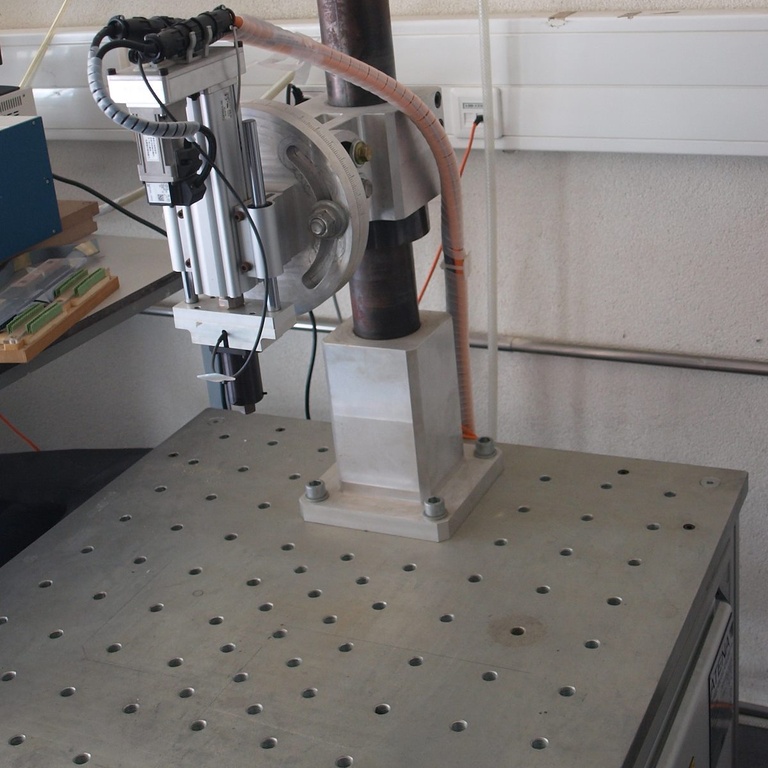
Mechanical testing of biomedical materials and structures (e.g., fatigue devices for prostheses, compression/tension tests, mechanical characterization of tissues and implants).
2 - Computational Modelling / Computational Biomechanics (simulation & FEA)
Numerical models for the analysis of implants, joints and tissues (e.g., simulations of prosthesis behaviour, prediction of mechanical performance).
3 - Medical Device and Prosthesis Development (design, prototyping and testing)
Design and validation of prostheses/implants and endoprostheses (e.g., patellofemoral prosthesis, joint endoprostheses, radiocarpal devices), including optimization, rapid manufacturing and experimental testing.
4 - Prototyping and Reverse Engineering (using CAD/CAM technologies)
Expertise in product design, CAD/CAM and prototype fabrication for testing and validation, including equipment and experience in device and mould development.
5 - Orofacial and Orthopaedic Biomechanics (clinical application domains)
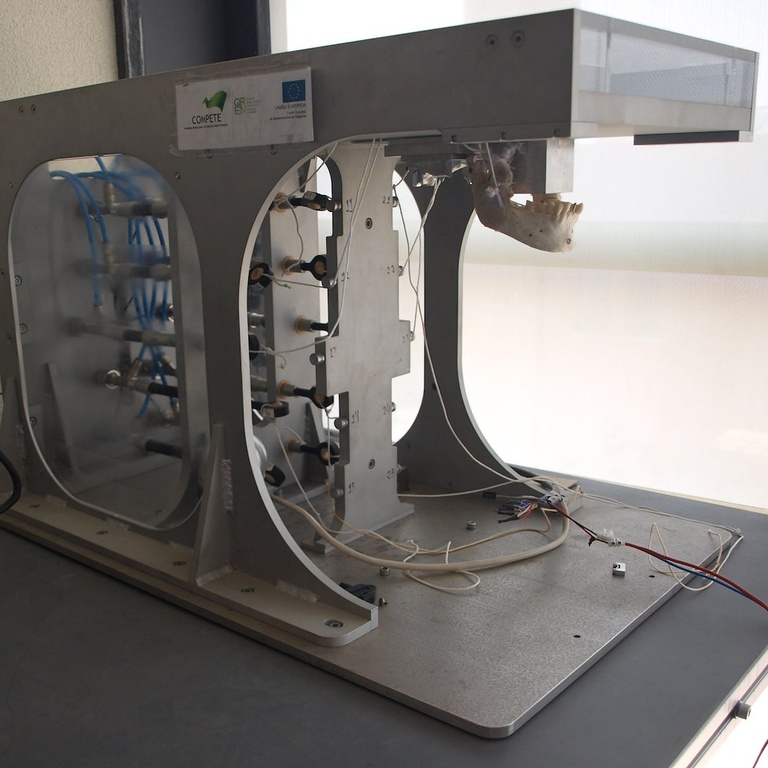
Research focused on orofacial and orthopaedic problems (e.g., joints, hip/knee prostheses, mandible, bone–implant behaviour).
6 - Mechanobiology, Tissue Engineering and Biofabrication (bioreactors, mechanical stimulation)
Experience in functional mechanobiology, tissue engineering and biofabrication (development/use of bioreactors, study of mechanical stimulation effects on cartilage/bone and scaffolds).
7 - Material Characterization and Optimization for Implants (nanomaterials, coatings, composites)
Projects on implant materials (e.g., scaffold optimization, ceramic/diamond coatings for hip implants, biodegradable composite materials for ligament applications).
8 - Experimental–Computational Integration (cross‑validation & physiological testing)
Ability to combine experimental tests with numerical simulations to validate models (e.g., numerical models validated with prosthesis/implant tests; in‑vitro assessment systems to study implant behaviour).